The Next Generation Power Analyzer: Perfect for SiC & GaN
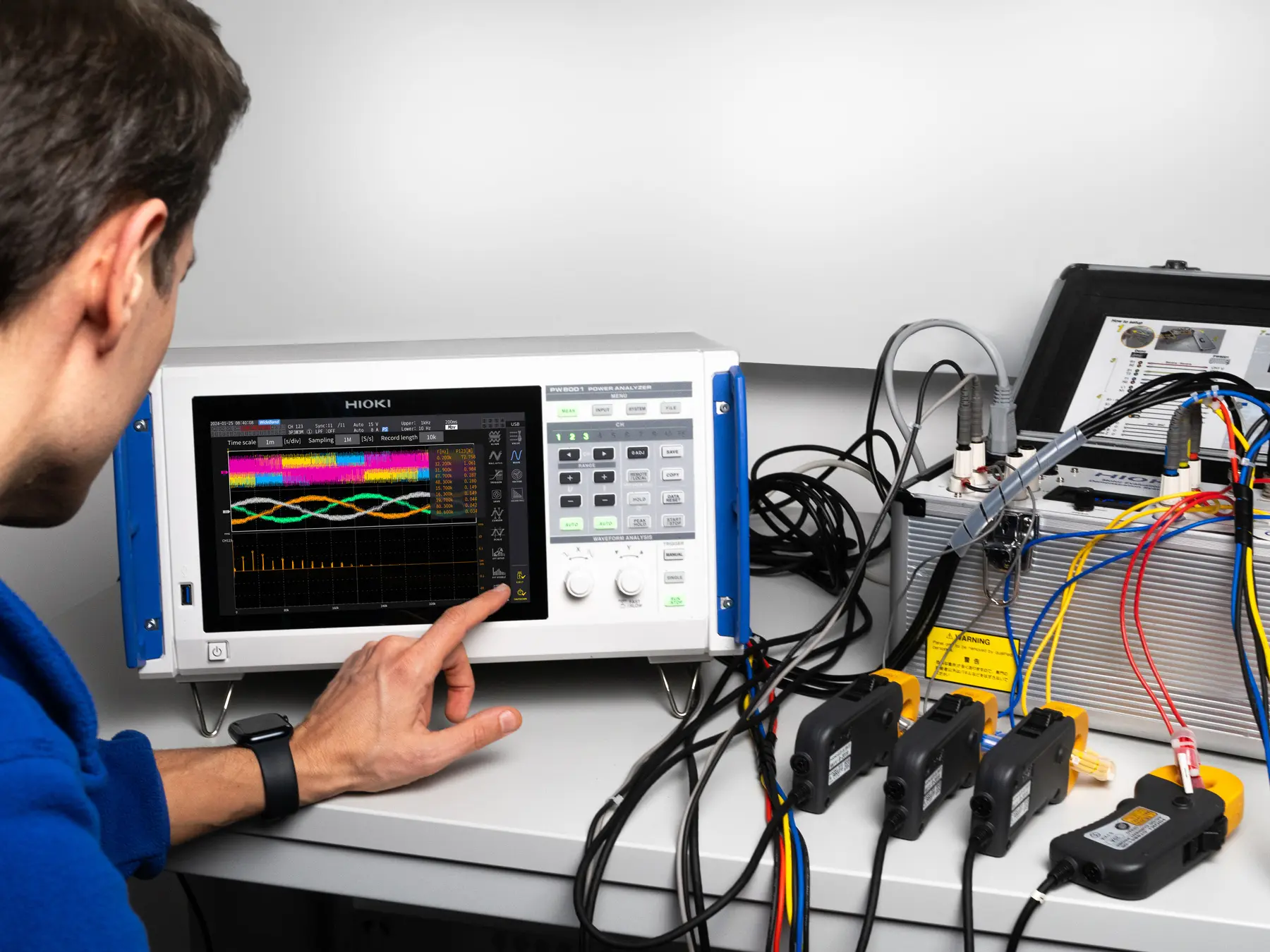
SiC und GaN-Komponenten ermöglichen es, den Wirkungsgrad von Wandlerschaltungen weiter zu verbessern und gleichzeitig deren Größe und Gewicht zu reduzieren. Ein entscheidender Vorteil der geringeren Größe ist, dass sie mehr Flexibilität beim Design von Leiterplatten auf engem Raum schafft. Aber wie immer gibt es auch eine Kehrseite. SiC- und GaN-Halbleiter werden mit höheren Schaltfrequenzen betrieben als herkömmliche Halbleiter auf Si-Basis, erzeugen mehr Rauschen und erfordern daher bei der Messung einen Leistungsanalysator mit höherer Bandbreite und besserer Störfestigkeit.
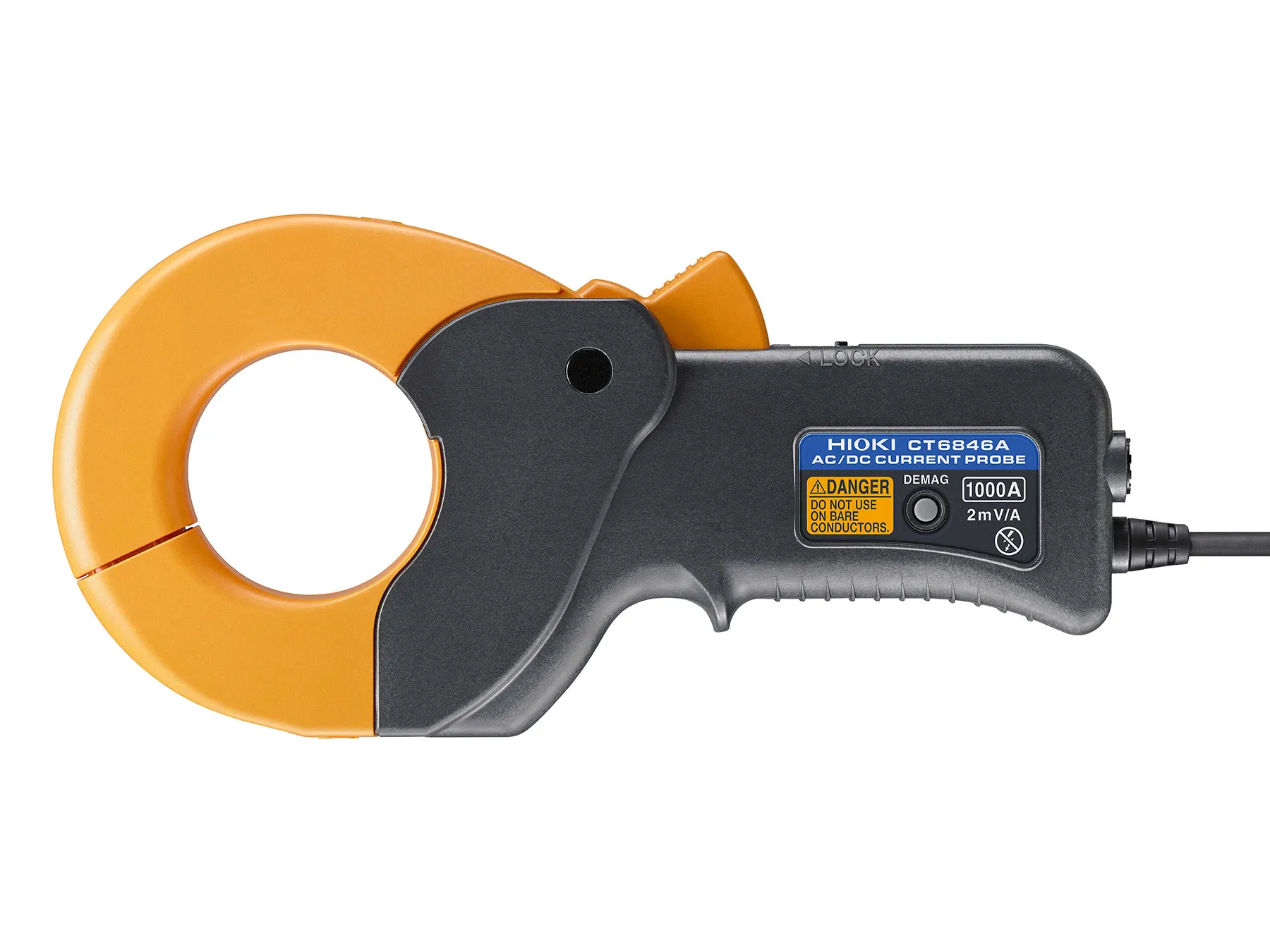
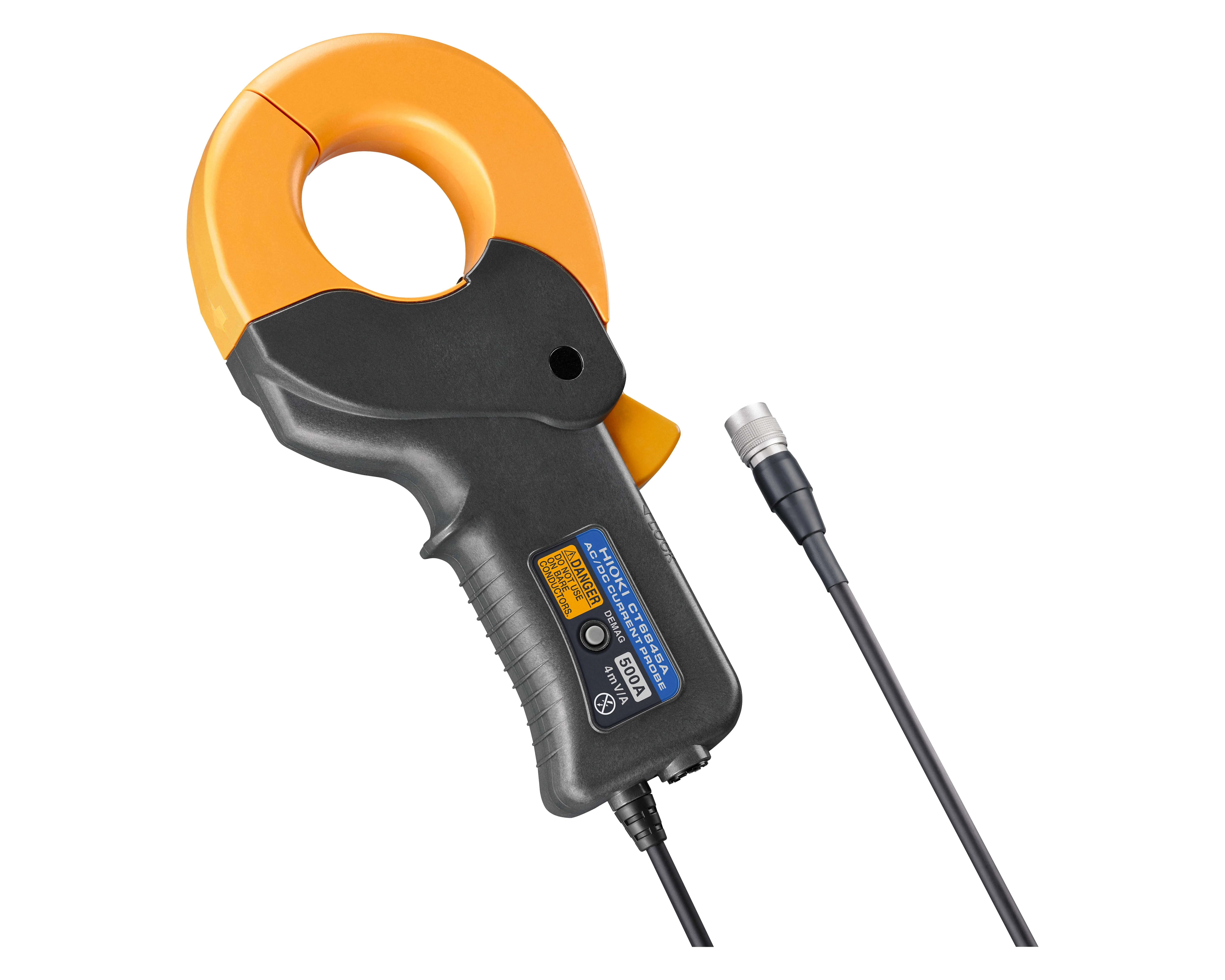
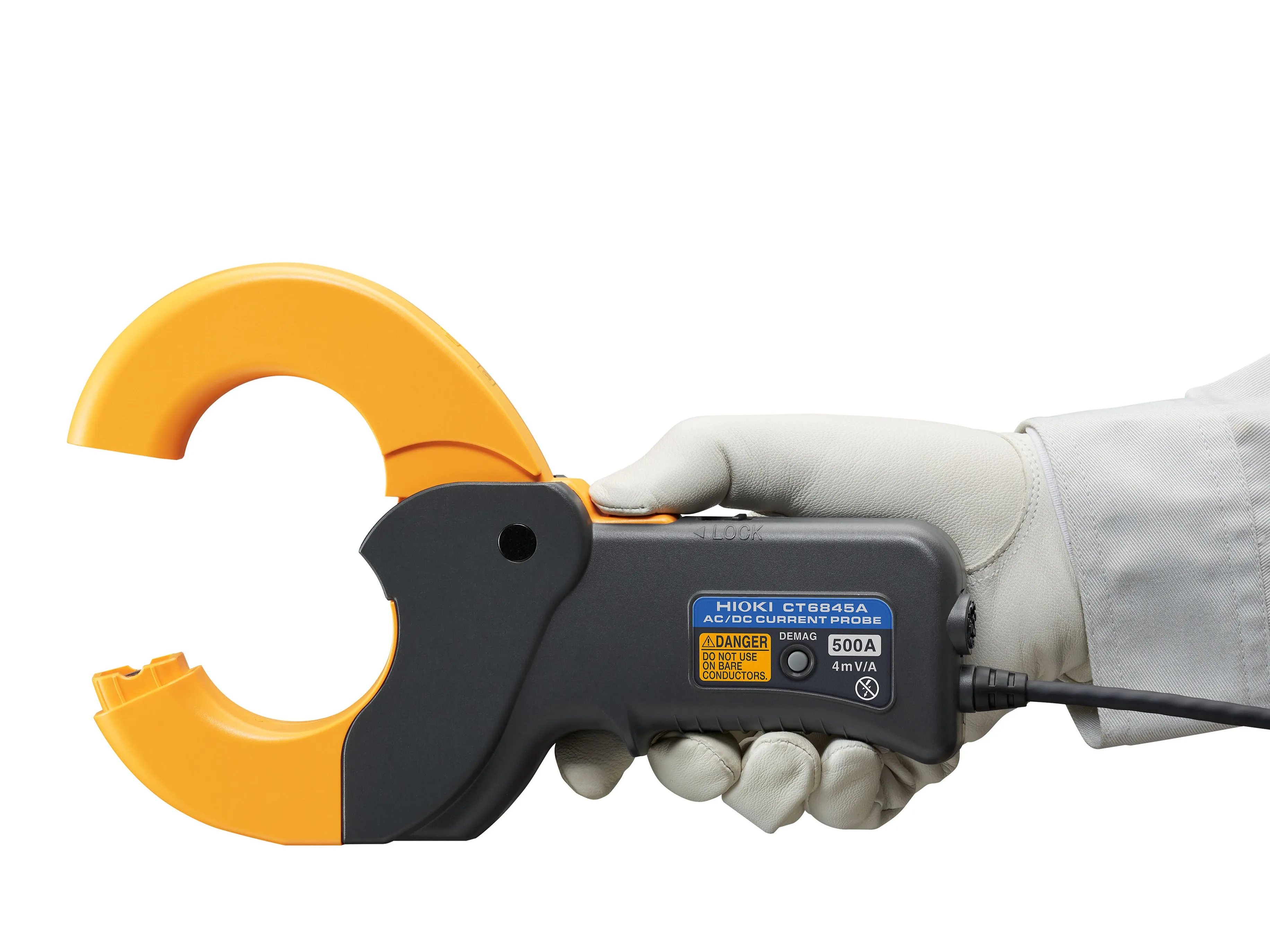
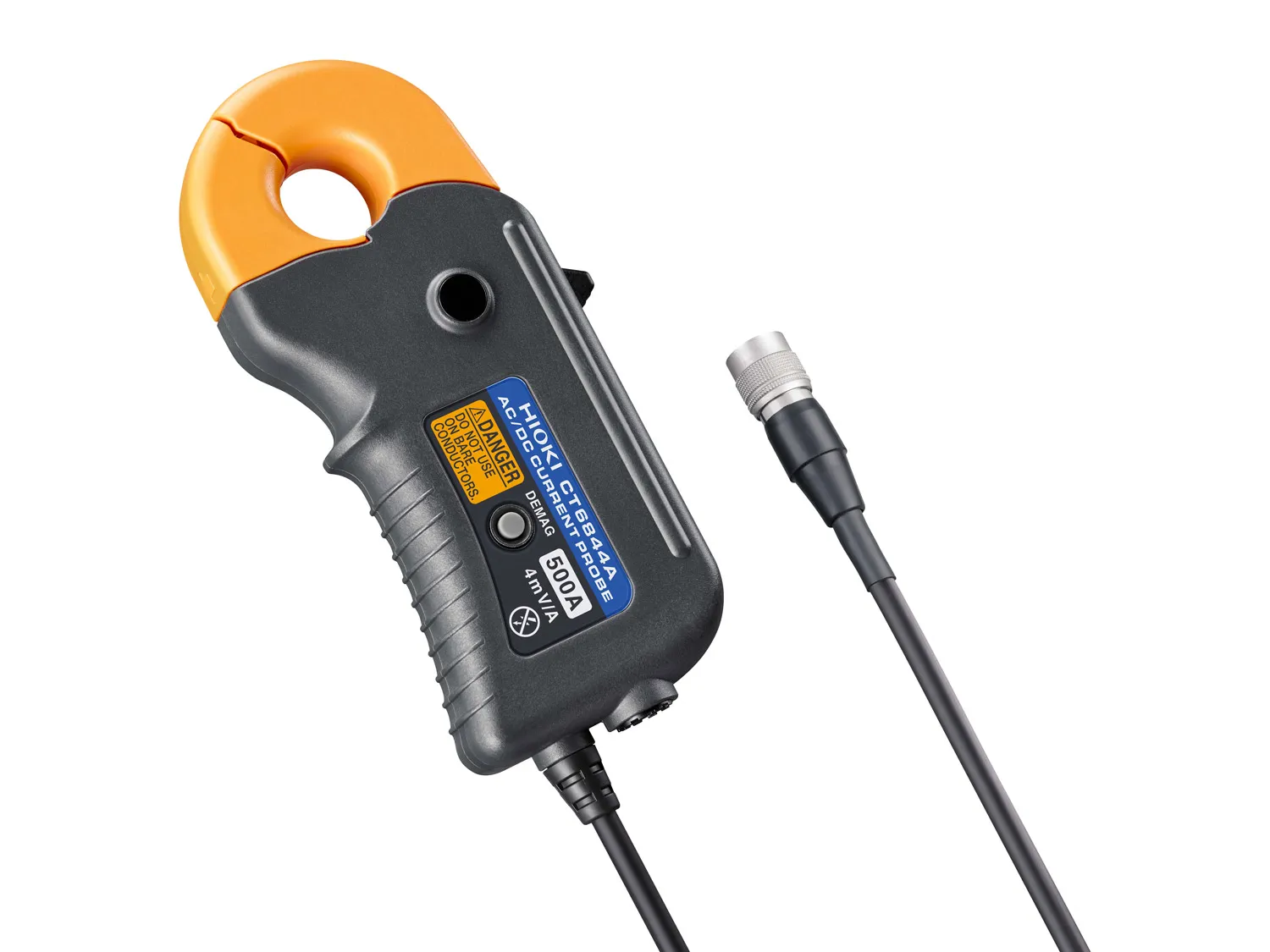
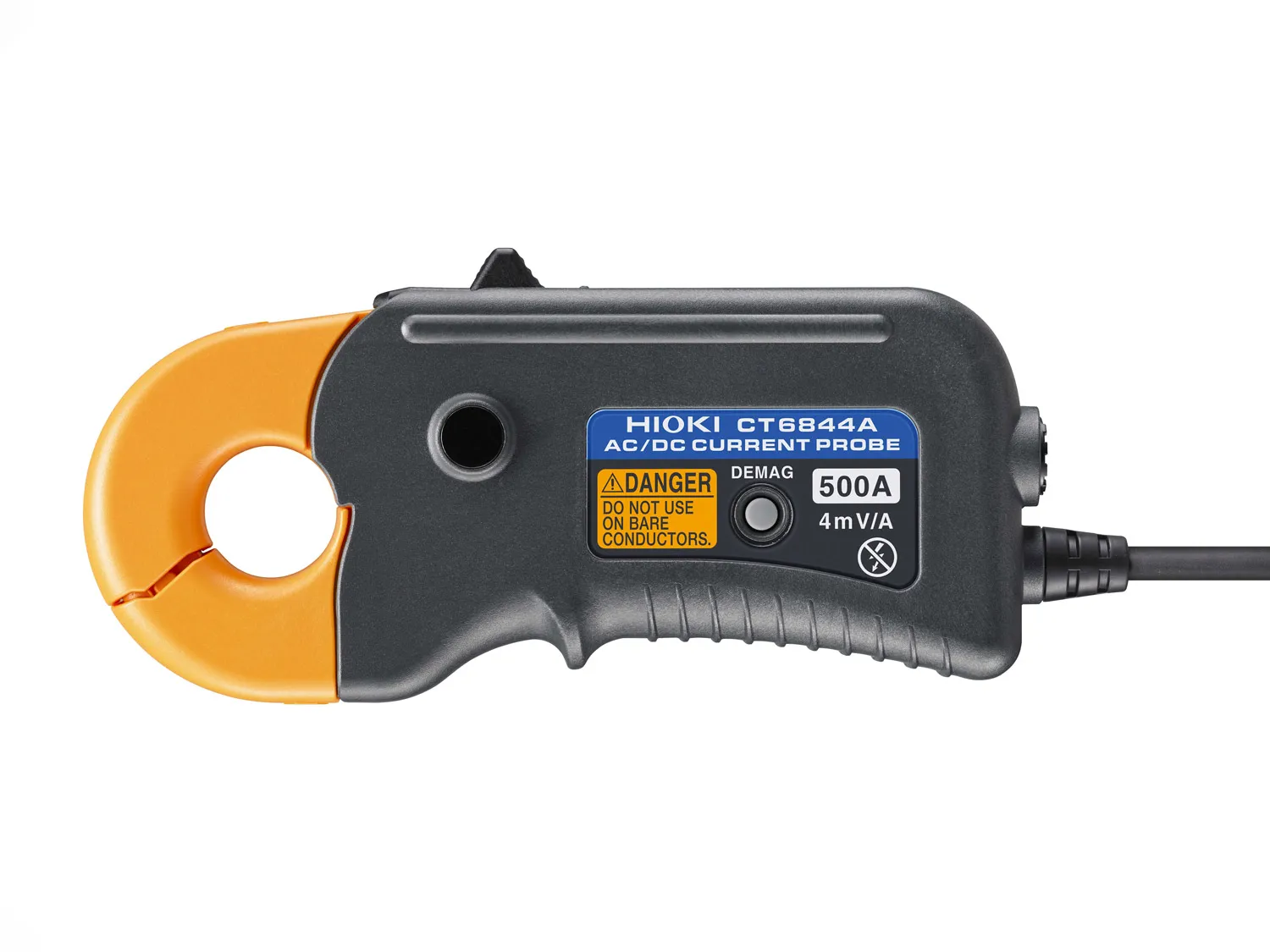
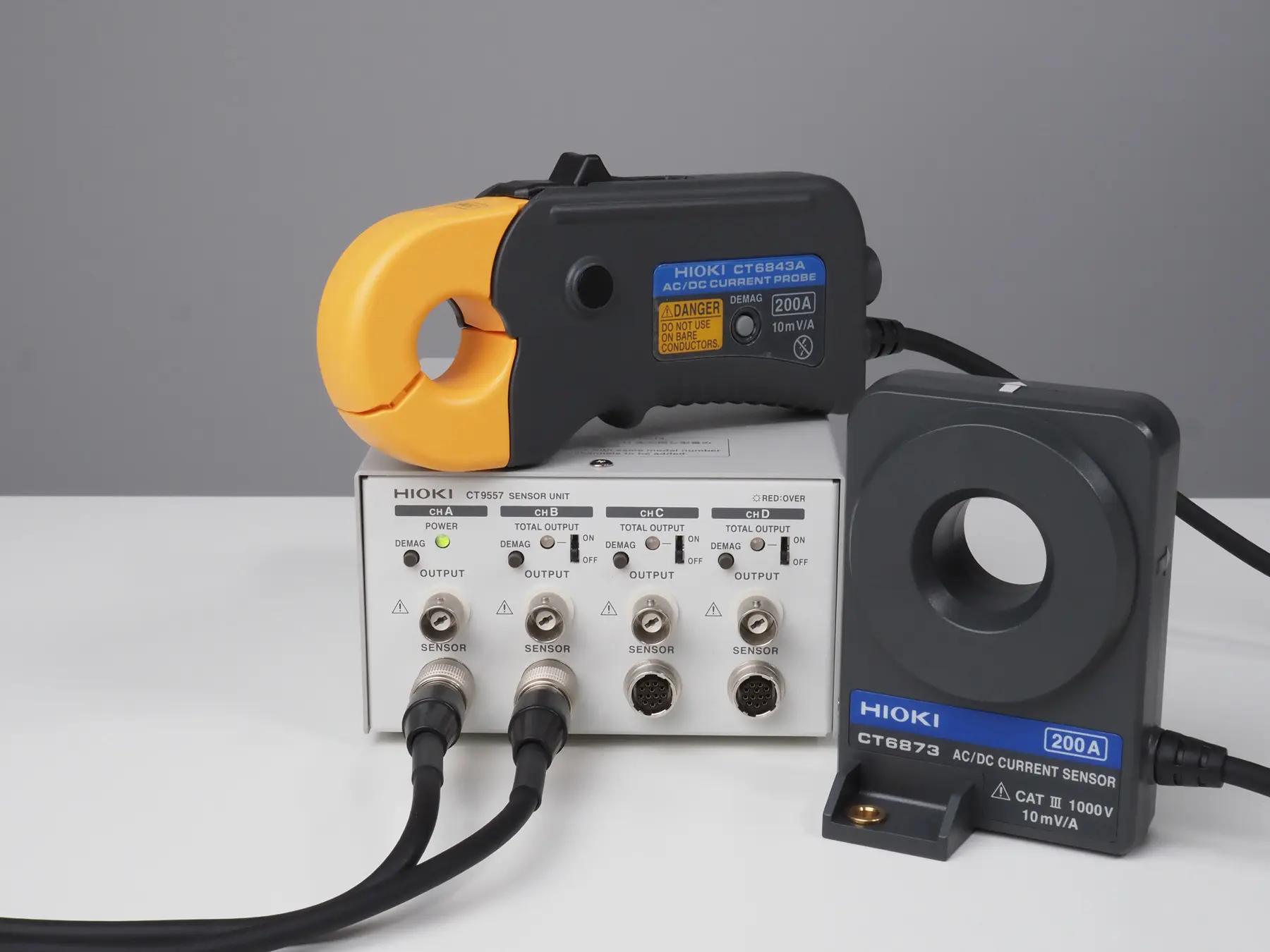
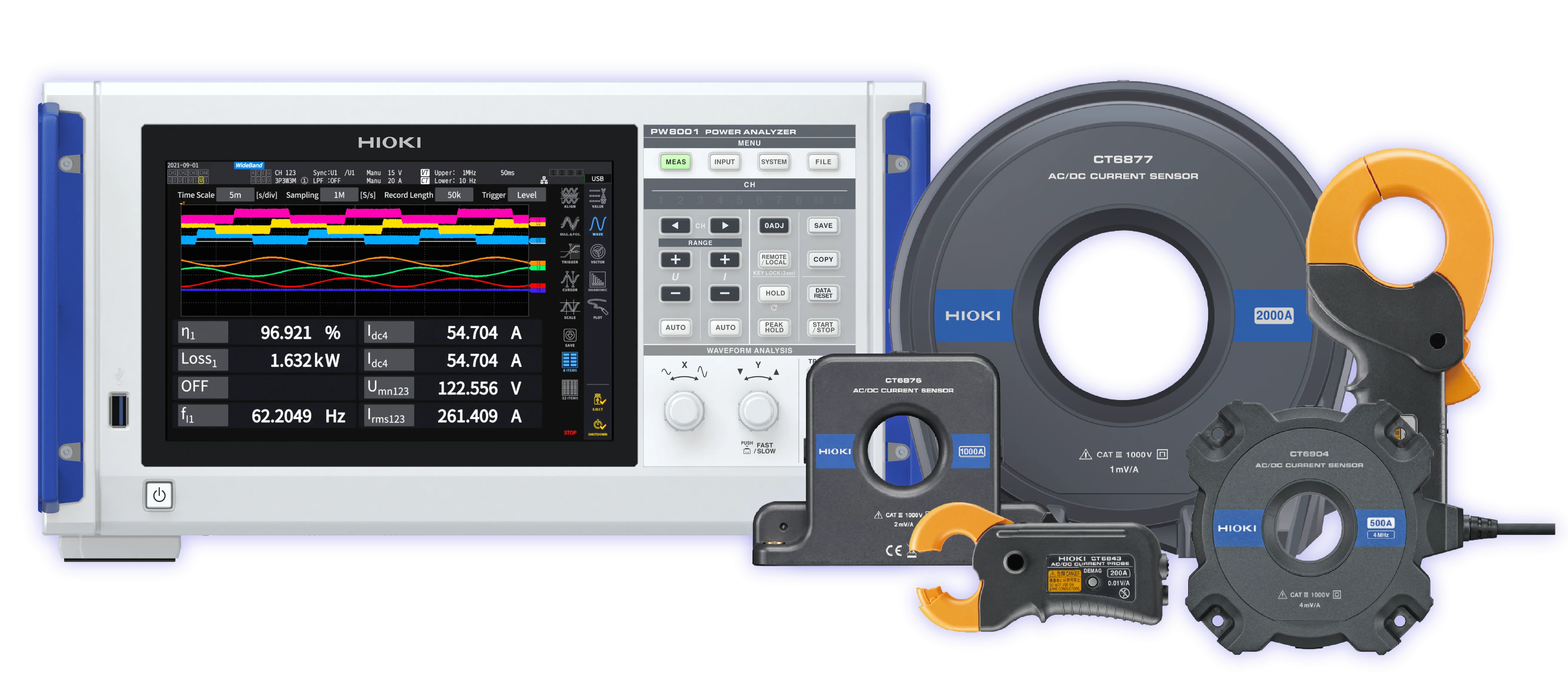
Der Leistungsanalysator PW8001 in Kombination mit HIOKI-Stromsensoren ist die perfekte Wahl für diese Herausforderung. Branchenführende Genauigkeit bei DC-Leistungsmessungen und bei Frequenzen von 50 kHz oder mehr, kombiniert mit der beispiellosen Gleichtaktunterdrückung (CMRR) sowohl für den PW8001 als auch für die HIOKI-Stromsensoren, garantieren extrem genaue und unbeeinflusste Messungen, selbst bei extremer Störsignalbelastung.
Für die Entwicklung eines hocheffizienten kabellosen Ladegeräts oder eines Inverter-Motor-Antriebs für Elektrofahrzeuge oder Drohnen ist die Genauigkeit des Messsystems entscheidend; selbst die geringsten Effizienzverbesserungen müssen zu messen sein. Das bedeutet, dass der Leistungsanalysator sowohl Gleichstrom als auch hohe Frequenzen von 50 kHz oder darüber mit der größtmöglichen Genauigkeit messen sollte. Der PW8001 bietet ideale Lösungen für diese Art von Aufgaben.
Mit dem hochpräzisen Eingangsmodul U7005, das eine Abtastrate von 15 MSamples/s ermöglicht, wird eine Leistungsgenauigkeit von 0,05 Prozent bei Gleichstrom, 0,03 Prozent bei 50/60 Hz und der absolute Marktbestwert von 0,2 Prozent bei 50 kHz erreicht.
Power Analyzer for 1500 V DC CAT II
The trend to more powerful solar farms has led to an increase of operating voltage. Nowadays 1500 V DC has become the standard. Further, solar farms are combined with local storage solutions for grid balancing purposes or to provide 24-hour energy. Another area where higher voltage is becoming more common is the electrification of heavy trucks and busses. While regular EVs use 400 V DC or 800 V DC systems, the transport sector is moving to 1200 V DC to increase system power and to reduce charging time.
To provide a power measurement solution for these new technology trends Hioki has developed the U7001 high voltage input module. With the U7001 Hioki is the first on the market with a 1500 V DC CAT II benchtop power analyzer. This classification makes it possible to use the PW8001 for the development and production testing of solar power conditioners, drive trains and fast charging solutions for heavy (H)EVs with system voltage of more than 1000 V DC.

Fig 1: Increasing the efficiency of drivetrain development for high-performance drones.
4-motor drive system analysis
Nowadays drones are in use in a wide range of applications, like making bird’s eye view videos, surveillance, inspections in hazardous environments or package delivery. AED-drones, which are equipped with a defibrillator, can even save lives because they can arrive earlier than an ambulance at the places of emergency in crowded places like festivals or city centers. Other companies are even developing larger and more powerful drones like taxi-drones. For all these drones the efficiency and reliability of the drive train is extremely important, because every increase in efficiency will lead to an increase in range.
The PW8001 with the 4-motor evaluation option is the perfect development tool for drones and other 4-motor drive systems like performance EVs, electrical busses with in-wheel motors and industrial robots. It allows you to analyze the performance of the 4 motor drives simultaneously, which makes balancing of the drive train a lot quicker and easier and will result in more efficient and reliable designs.
Automatic Phase Shift Correction
During the design of booster choppers for (H)EV’s or active Power Factor Correction systems for the Grid, power loss measurement of the reactors and transformers is very important. The inductive nature of these components makes it difficult to measure accurately, especially at high frequencies. One of the reasons for this is that the voltage and current need to be measured exactly at the same time to be able to measure the active power. Current sensors however will always have a time delay. So, to be able to measure the loss of a reactor or transformer accurately the time delay of the current sensors needs to be eliminated over the full frequency range.
For this reason Hioki has implemented a phase shift correction function as a standard years ago, which has now been improved to an easy “plug-and-play” function that does not require manual input as Automatic Phase Shift Correction function (APSC). This new and unique function is firstly available with the new Power Analyzer PW8001. The APSC function ensures unmatched performance for loss measurements of high frequency reactors and transformers. To make the phase shift correction function work properly two things are required:
- the current sensor with a known constant time delay
- the power analyser that is able to compensate for the time delay
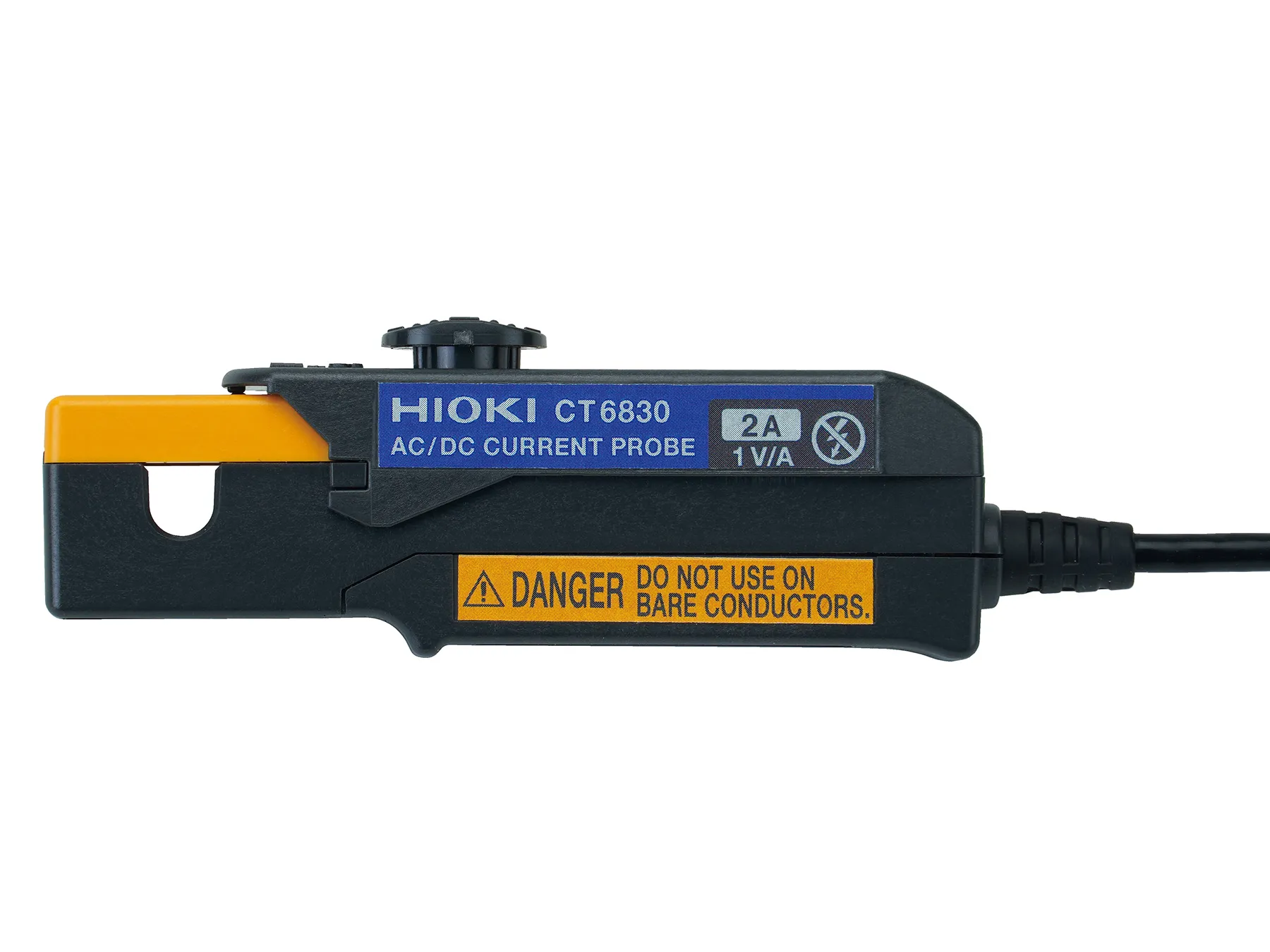
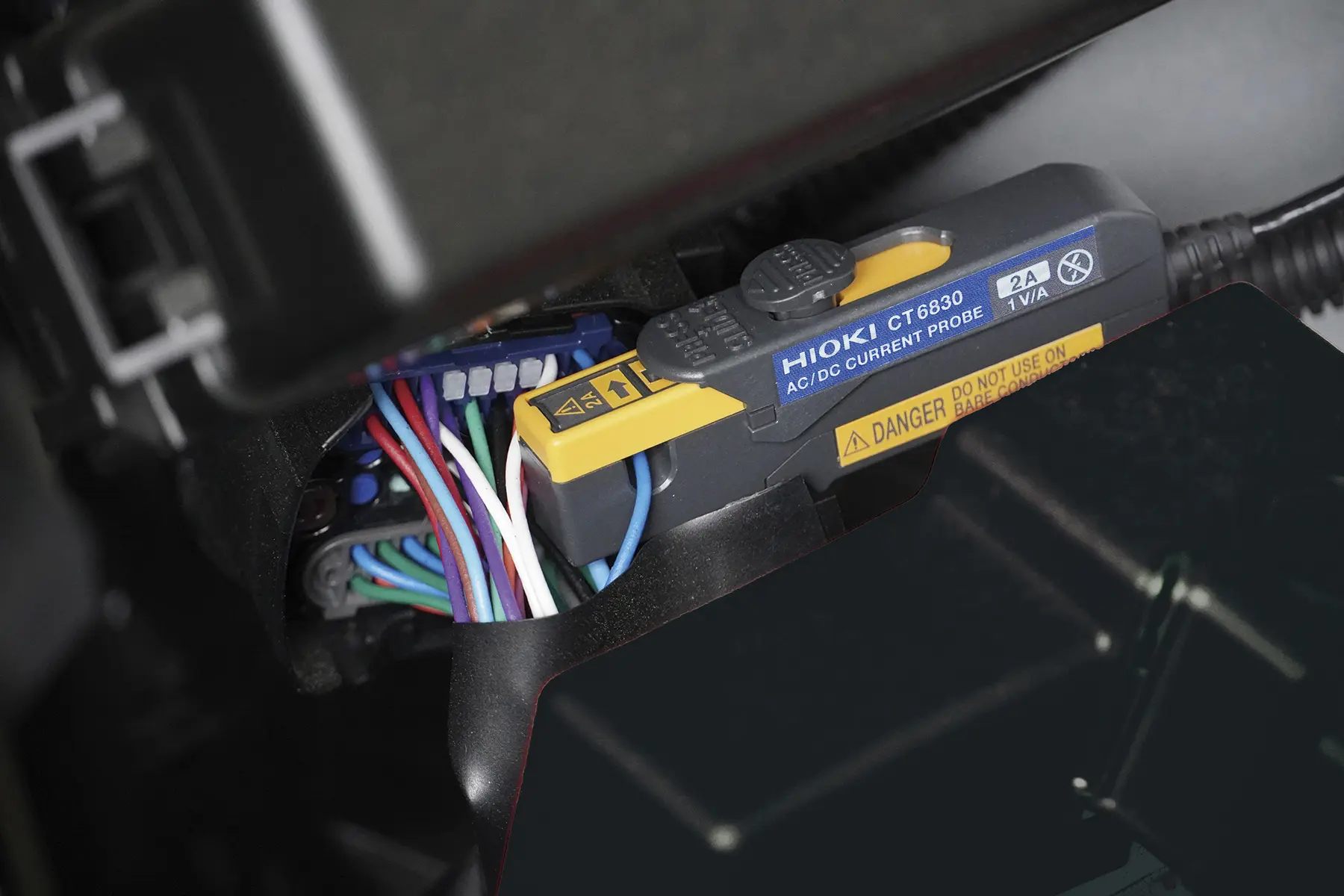
Being the only manufacturer of power analysers who also designs and produces current sensors, Hioki is in the unique position to optimize the current sensors for the APSC. The HIOKI current sensors in the CT68- and CT69-series have been designed to achieve a constant time delay over the full frequency range, as shown in figure 2.

Fig 2: Time delay of HIOKI CT68xx sensors
Due to this unique feature the PW8001 can compensate for the time delay of the current sensor regardless of the frequency it is measuring. Other current sensors on the market tend to be designed with a focus on a low phase shift at high frequencies. As a consequence these current sensors will not have a constant time delay over the full frequency range. This is illustrated in figure 3 where the time delay of a comparable sensor available on the market is shown.
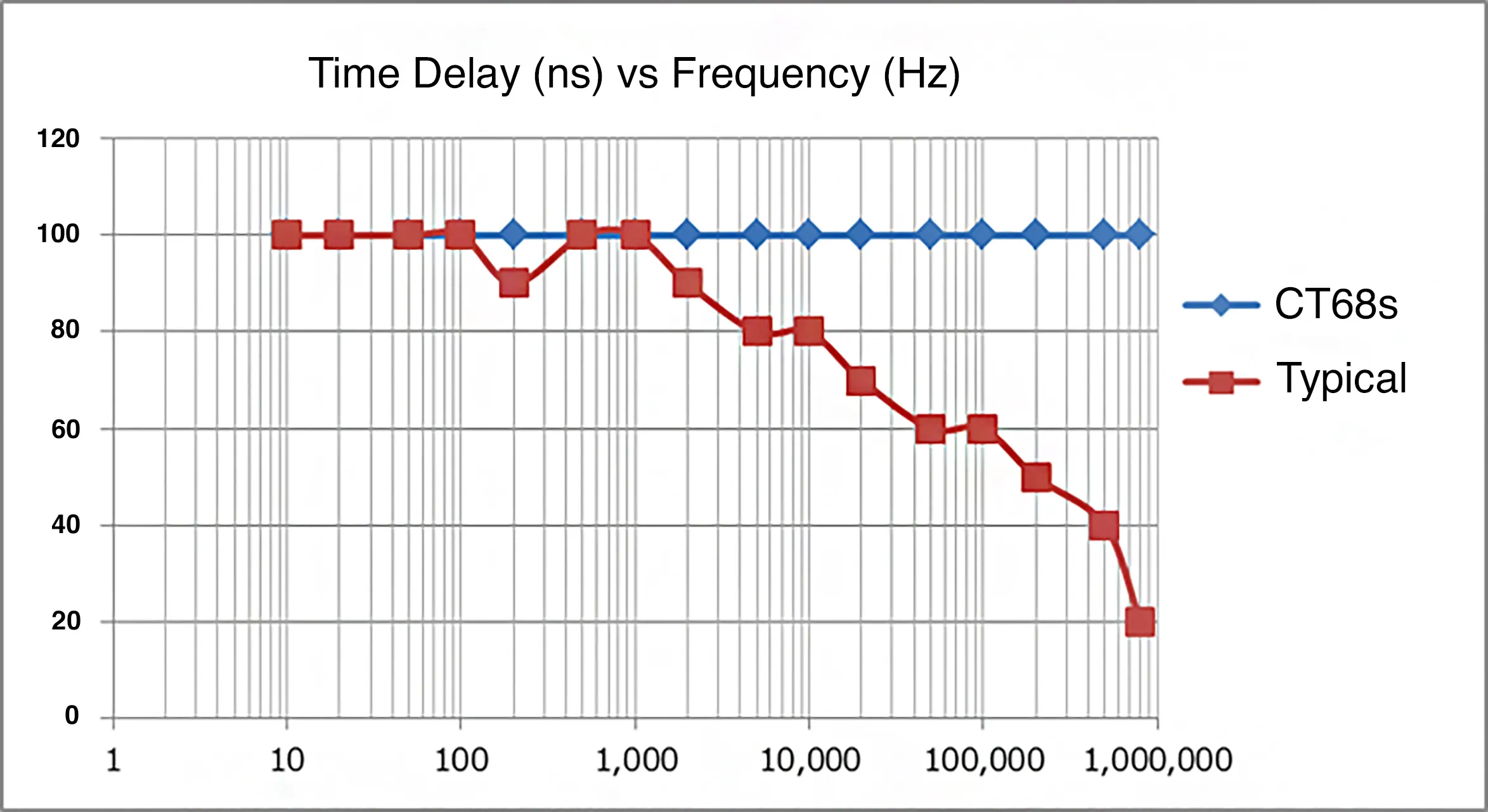
Fig 3: Time delay comparison HIOKI CT68xx vs. other sensor
As the time delay of the comparable sensor varies between 100 ns and 20 ns, this makes it clear that this design makes the current sensor unsuitable for phase shift correction, as the power analyser is not able to compensate for the time delay at all frequencies it’s measuring.
Also positioning of the conductor in the current sensor can influence the accuracy of the measurement. This is illustrated in figures 4 and 5.
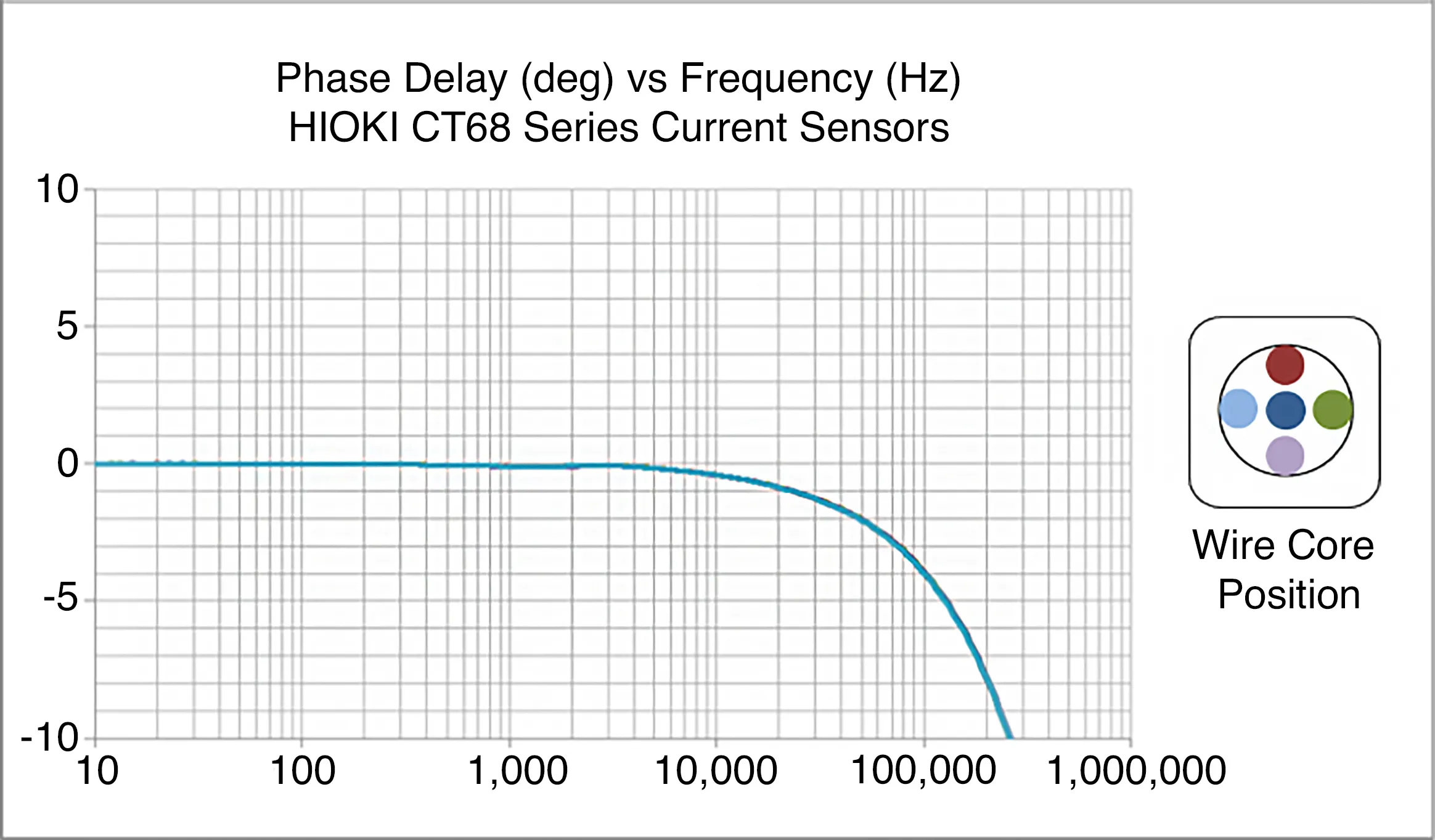
Fig 4: HIOKI CT68xx series is stable independent of the wire core position
In figure 4 all curves are exactly on top of each other which shows there is no influence on the phase delay due to conductor position.
The same tests has been performed with a comparable current sensor and the result is shown in figure 5.
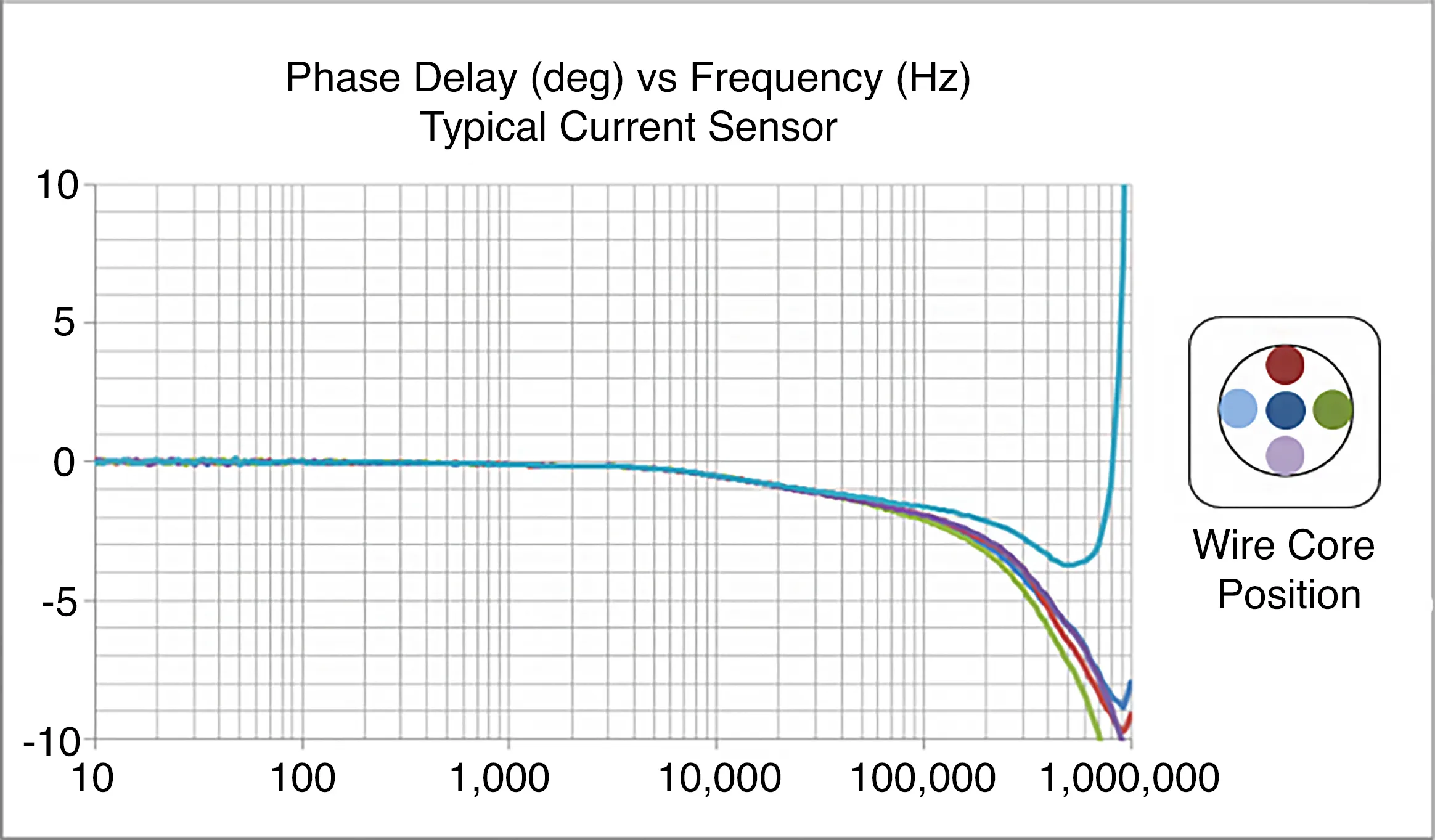
Fig 5: Phase delay and wire core position of a competitor’s sensor
The results are quite different. In this case the conductor position has influence on the phase delay at frequencies higher than 100 kHz, and will have influence on the overall accuracy of the power measurement at high frequencies like with the use of SiC and GaN semiconductors.
Ultimate flexibility and accuracy
The increasing complexity of power applications like integrated solutions for renewable energy with local storage, grid connection and EV charging, require an increase of power channels to be able to analyse the dynamic power behaviour of a system.
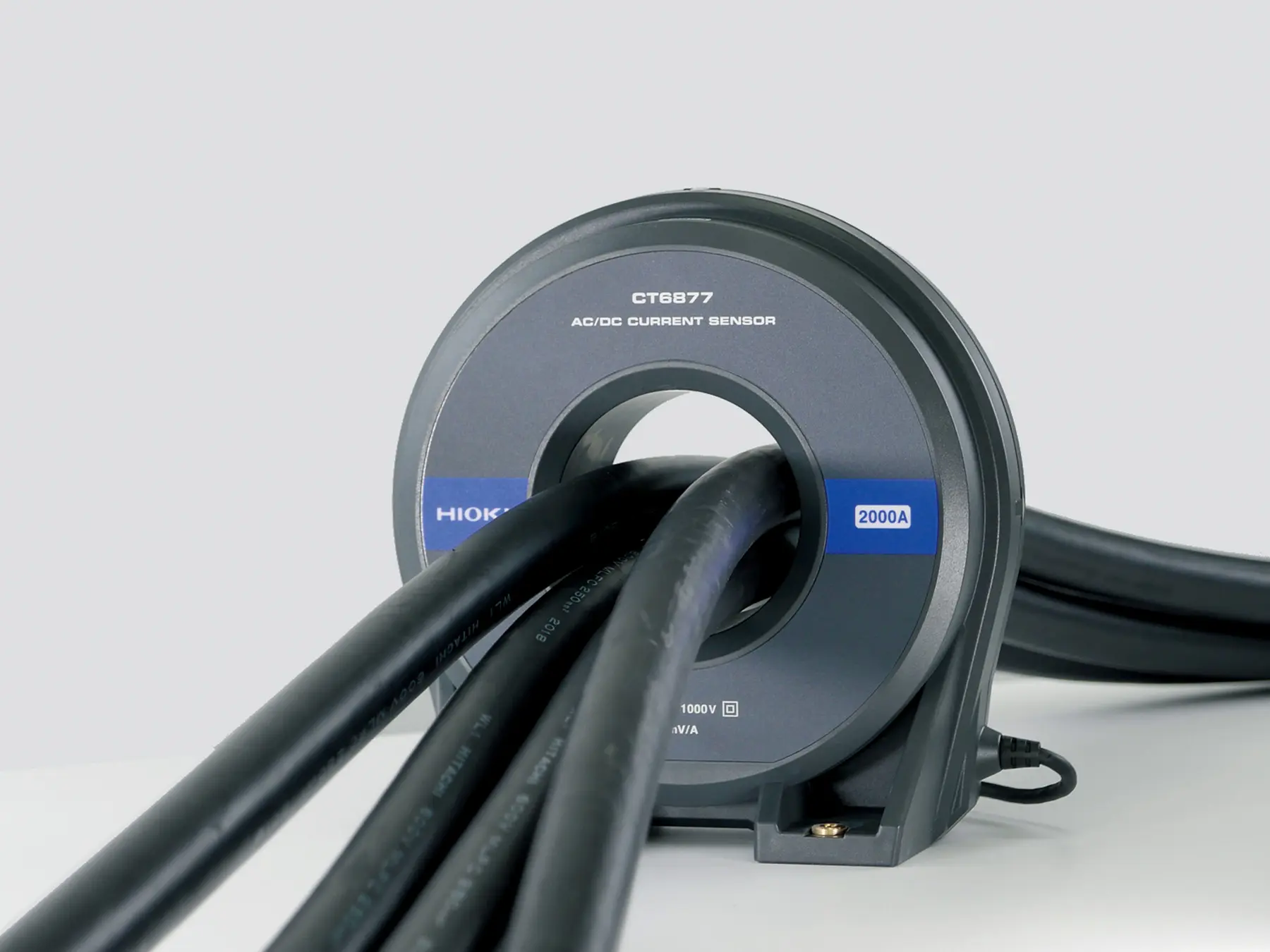
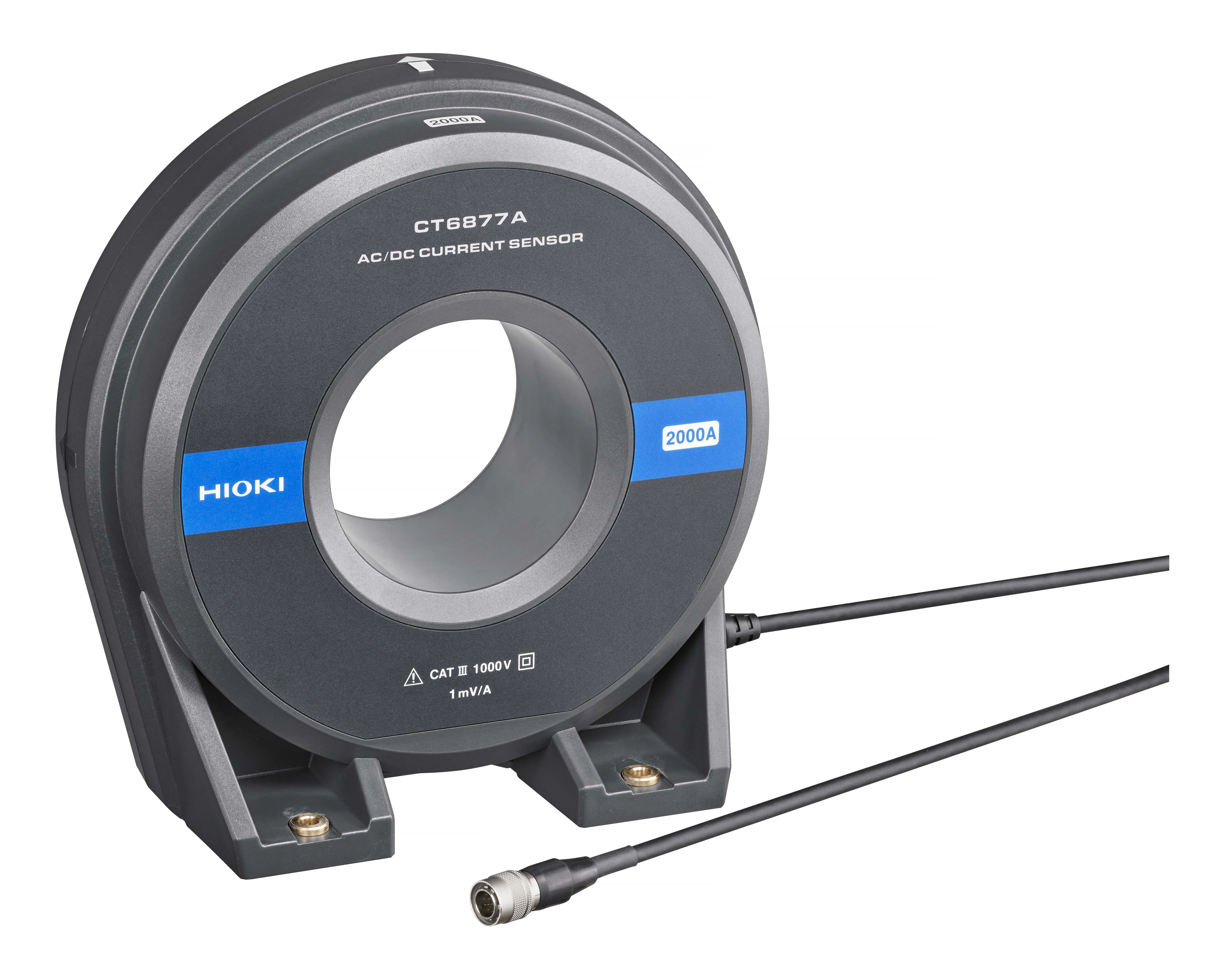
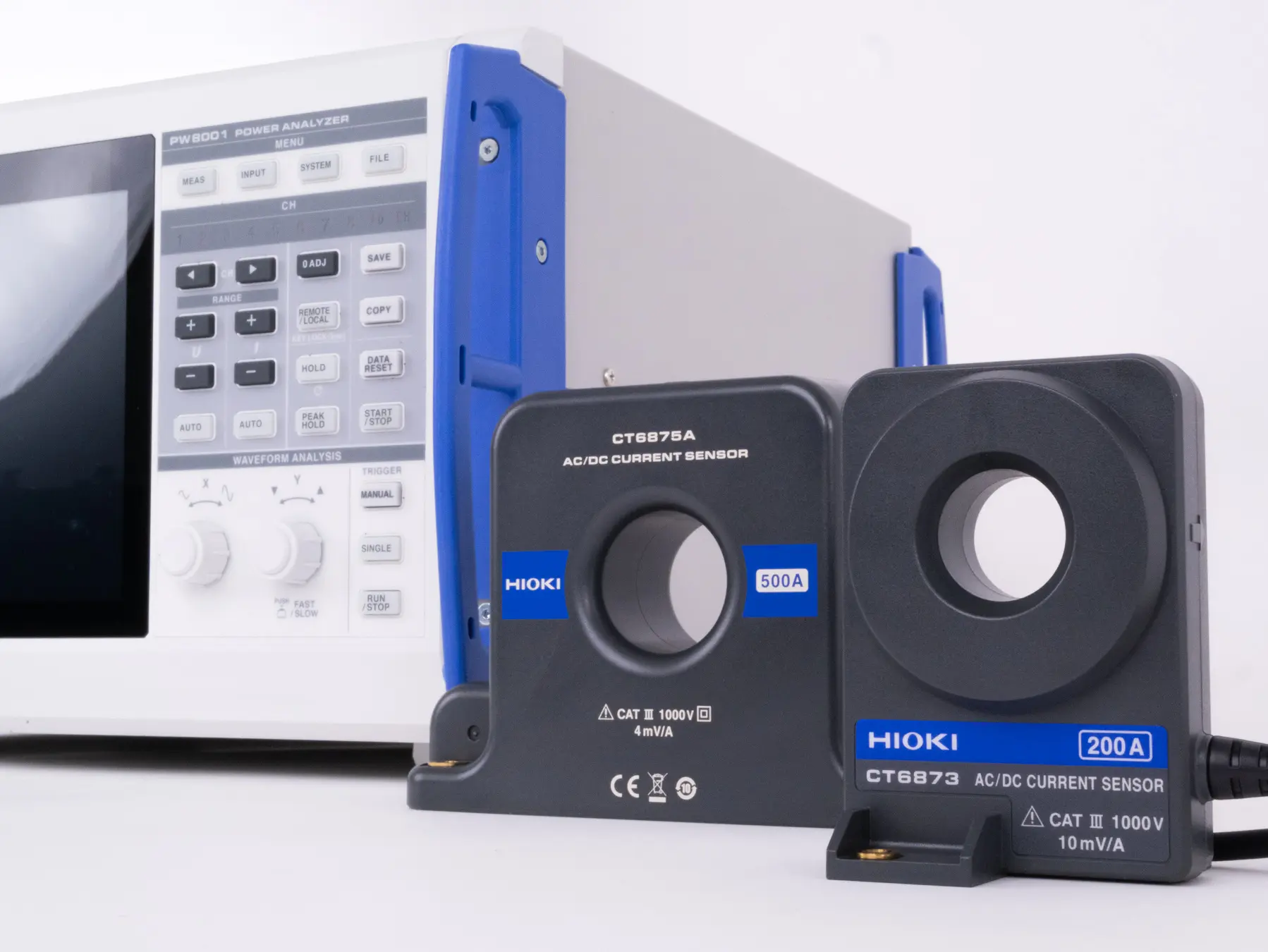
The PW8001 with its modular 8-channel power inputs in one instrument, the free choice of U7001 high voltage and U7005 high precision input modules and the excessive range of current sensors from 20A to 2000A, provides you with the possibility to compose your “tailor-made” power measurement solution.