HIOKI: Current Sensing since 1971
The history of current sensing at HIOKI reflects decades of continuous development in electrical measurement technology. Established in Japan in 1935, HIOKI has built its reputation on professional and reliable test and measurement instruments, including clamp meters, current sensors and current probes.
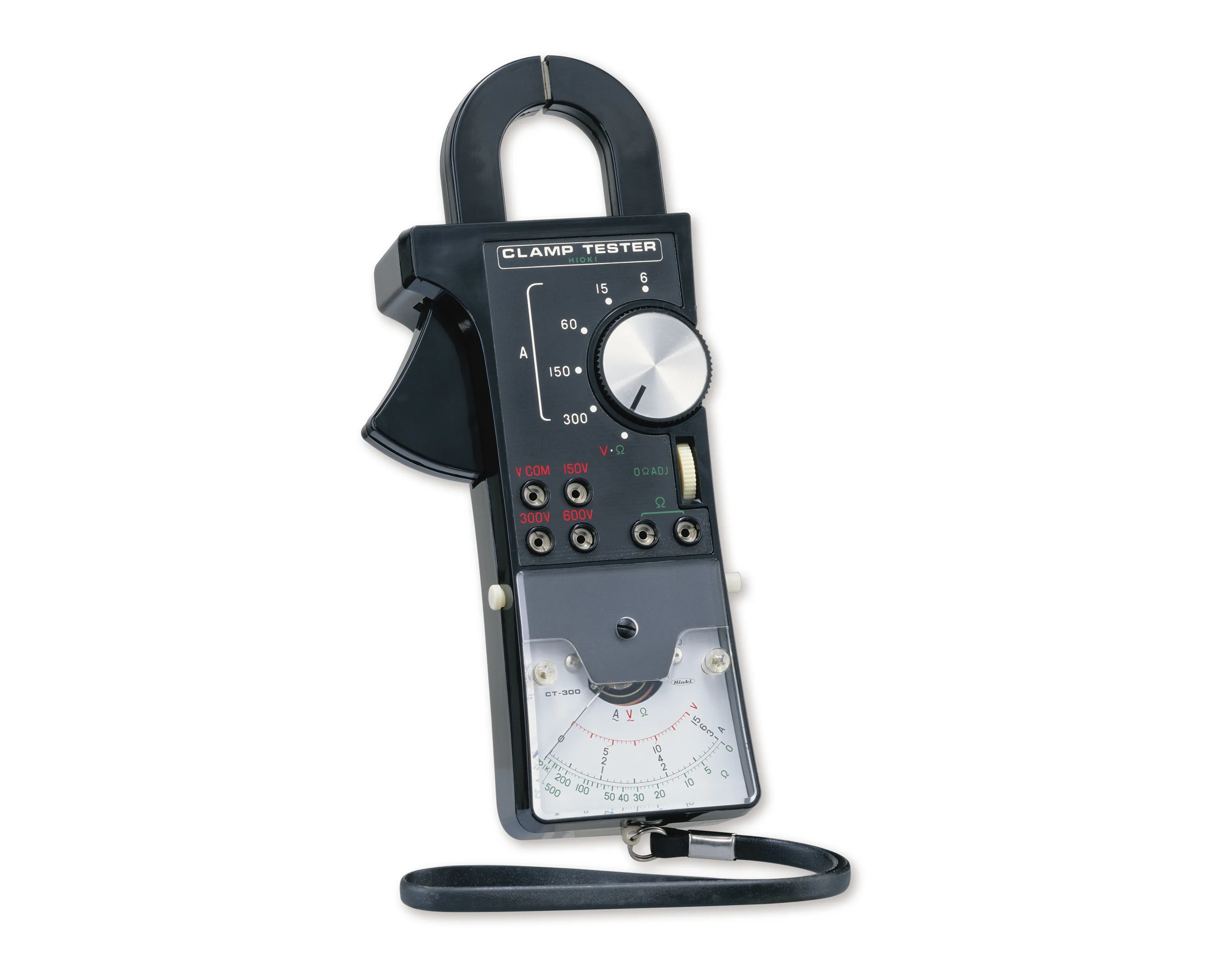
HIOKI’s work in electrical measurement began with meters and testers and developed over time into a broad portfolio of current sensing solutions for a wide range of applications. From early clamp meters to modern wideband current probes, precision current sensors and multi-channel DAQ-based measurement systems, this development shows how current measurement requirements have evolved over the decades.
The Early Days of HIOKI Current Sensing
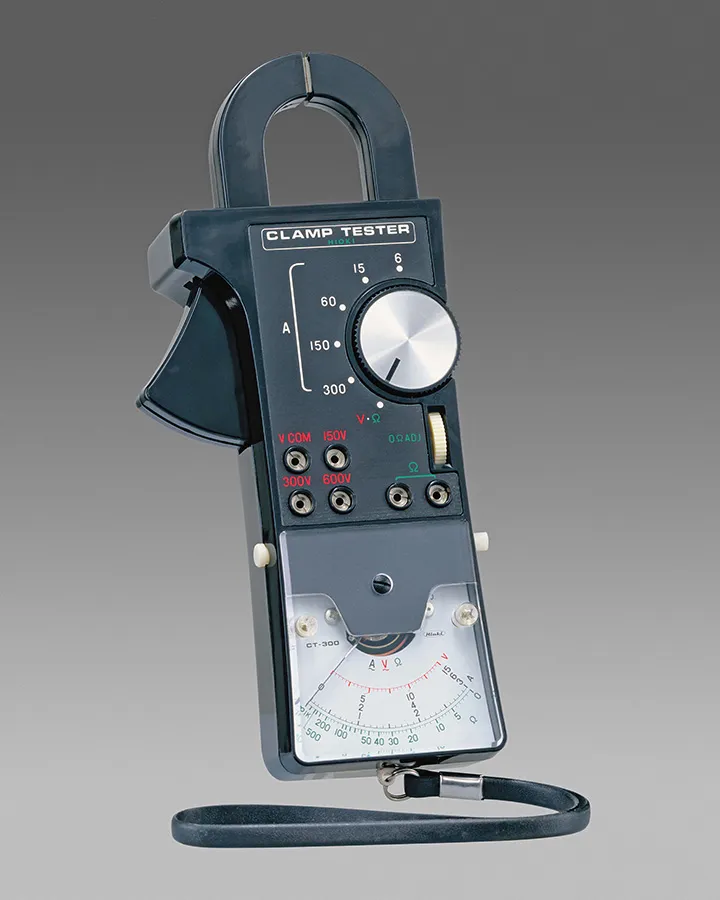
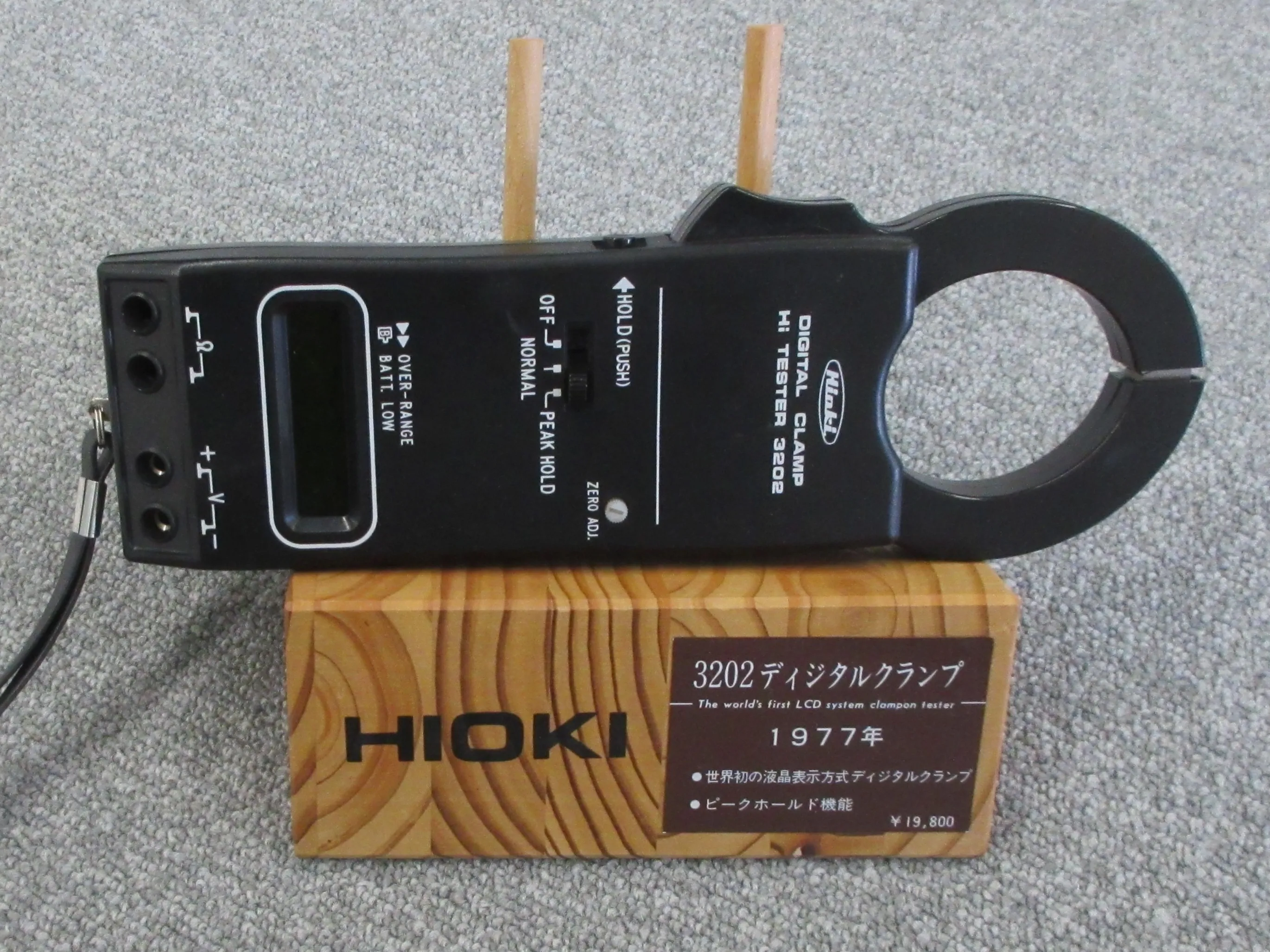
The introduction of LCD technology marked an important step not only in terms of readability, but also in terms of functionality. Analog displays could be very intuitive when observing changing values, but digital displays made it much easier to present additional measurement parameters, which became increasingly important as clamp meters and power meters evolved.
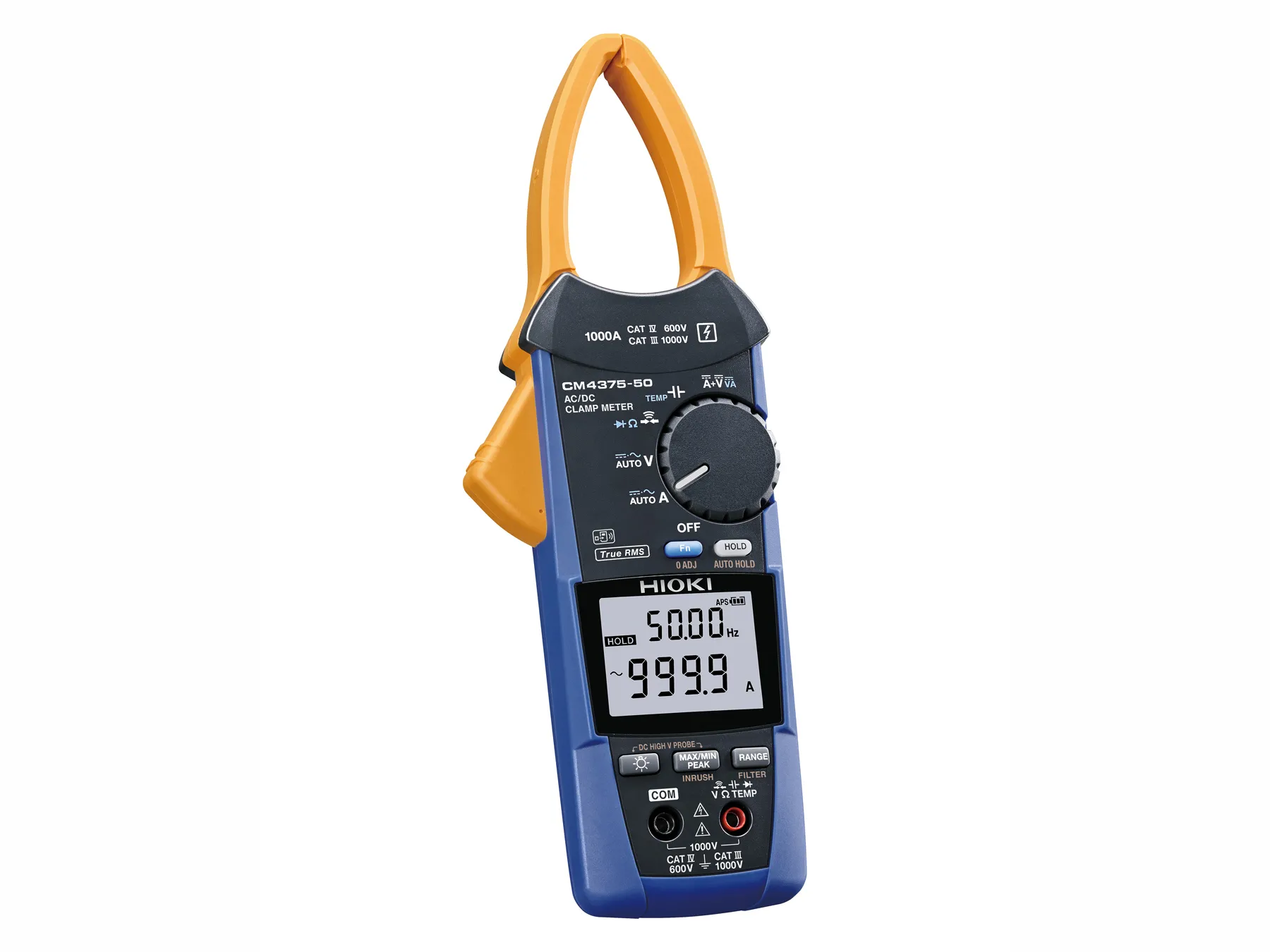
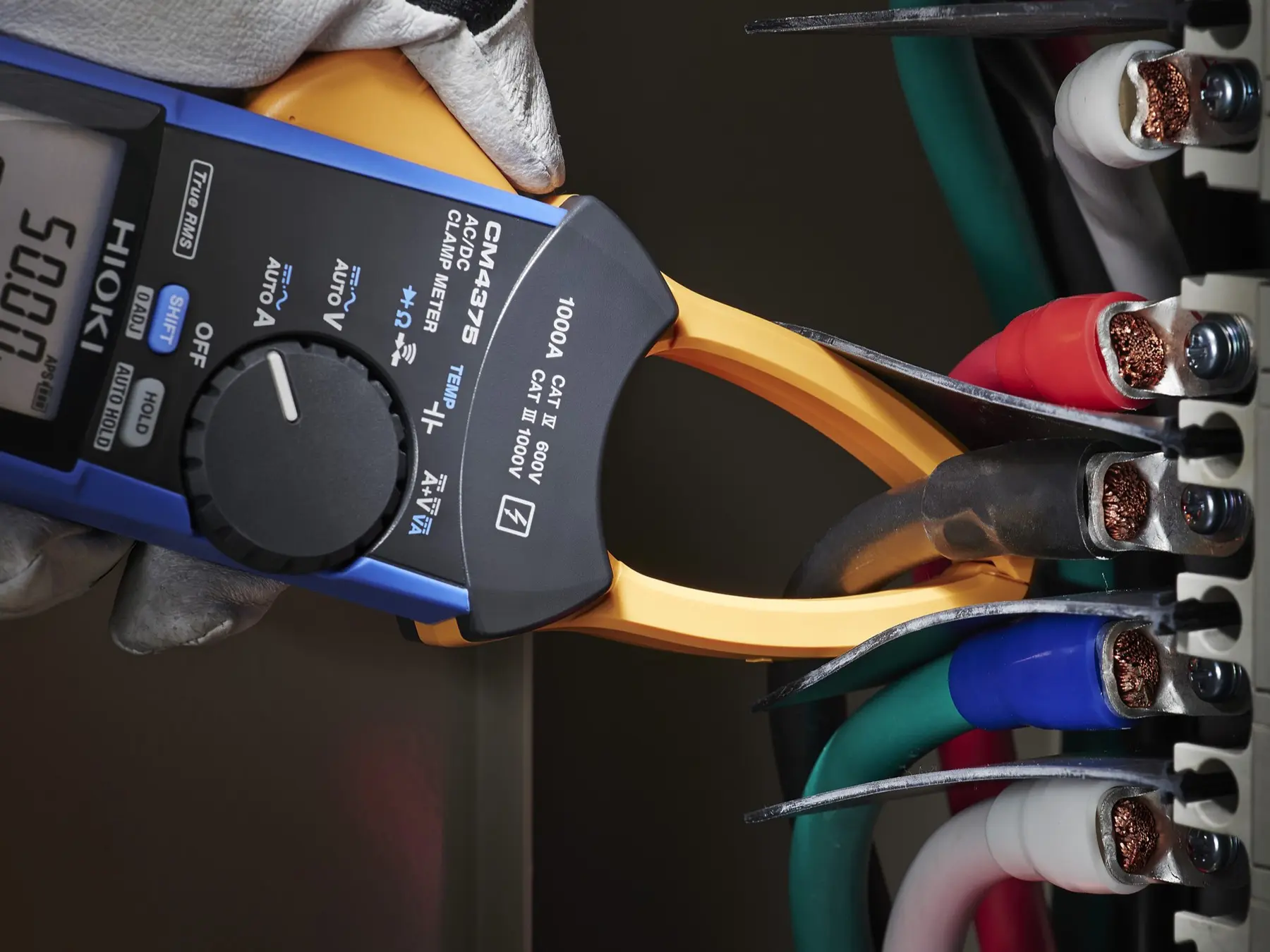
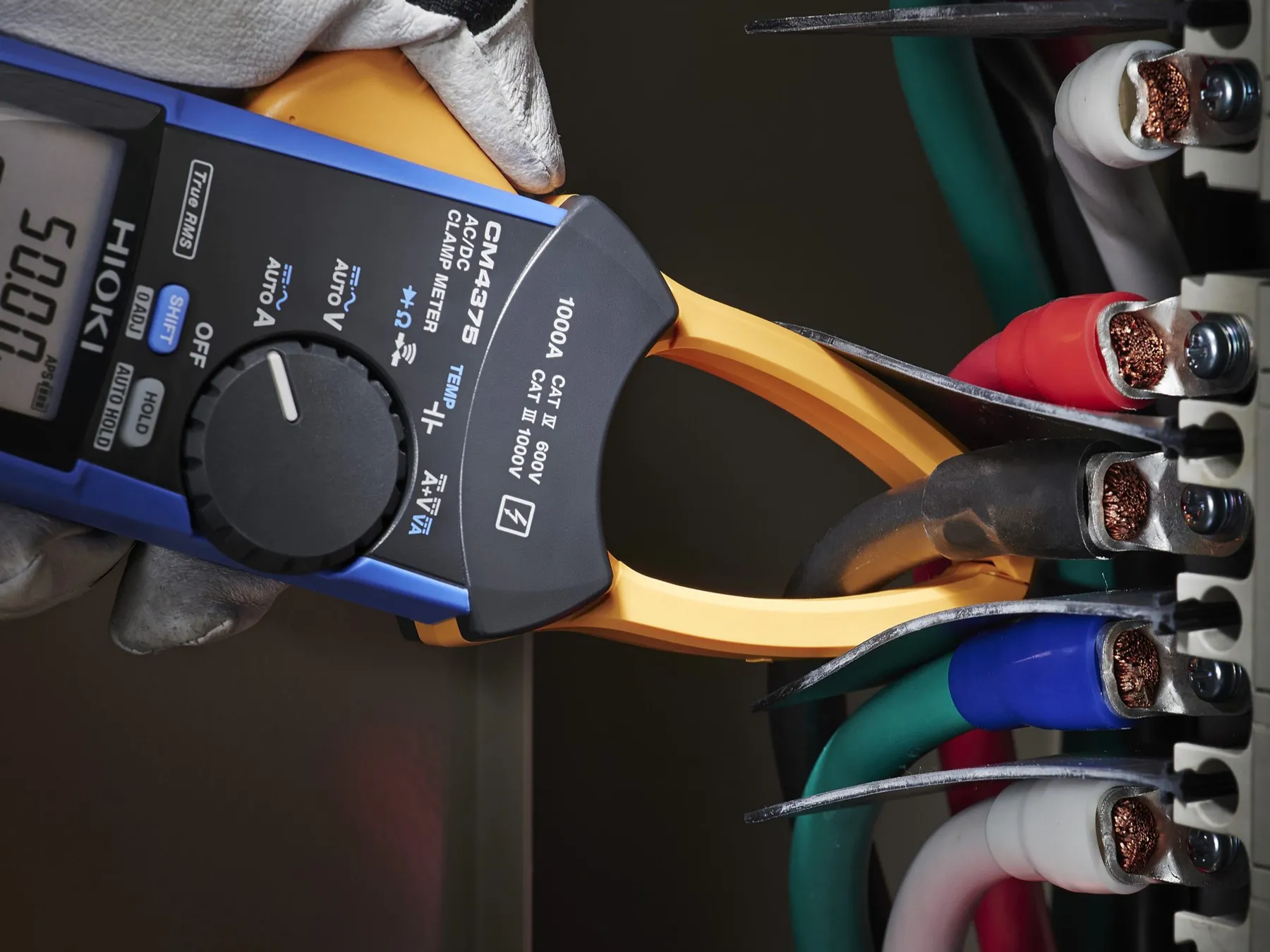
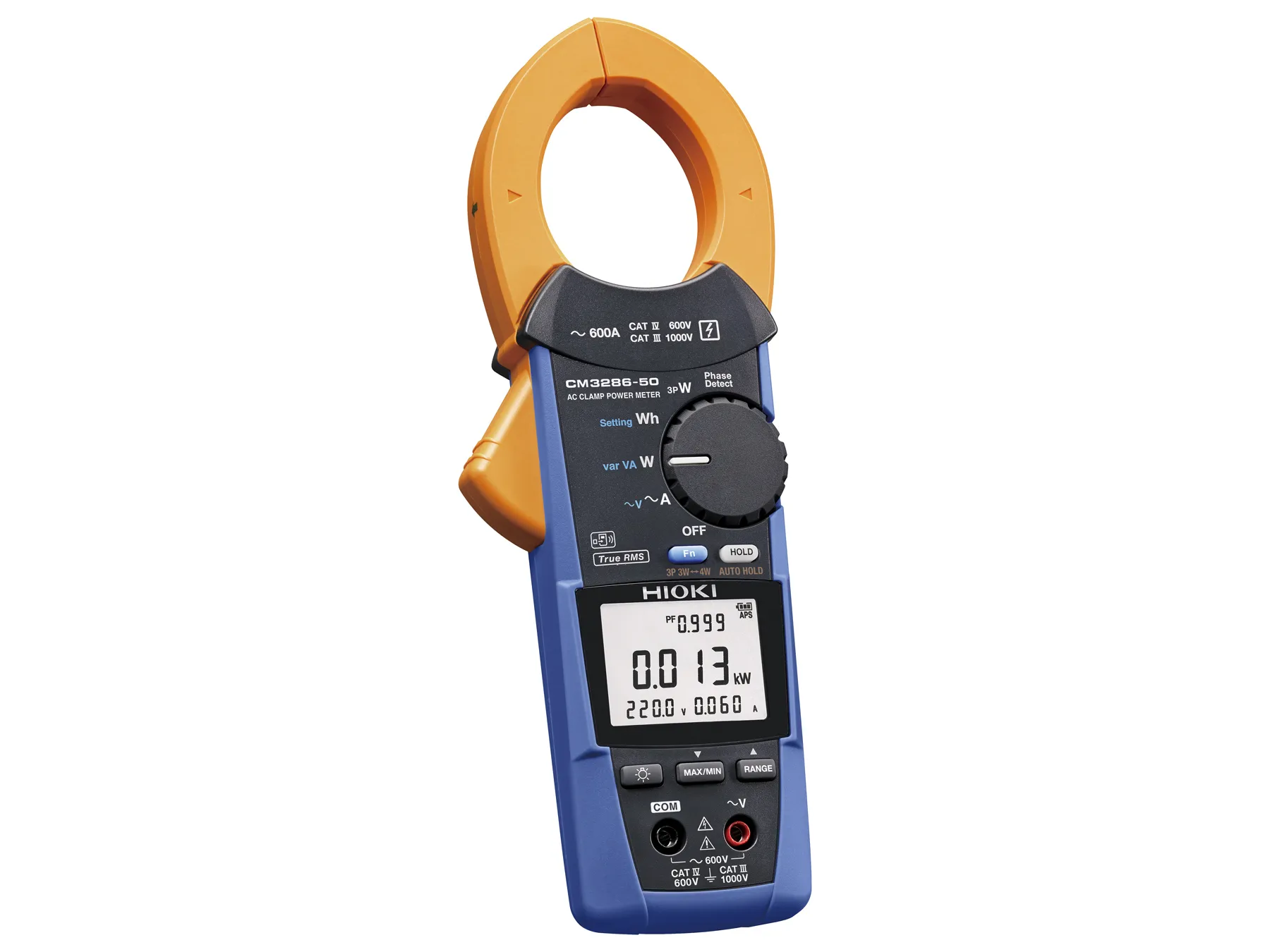
The 3202 was a clamp meter capable of measuring currents of up to 1000 A. The closest modern-day equivalent would probably be HIOKI's CM4375-50 clamp meter which can also measure currents of up to 1000 A. Just compare how the design of the jaws has been improved over the years, allowing today's clamp meter to be used in much tighter spaces.
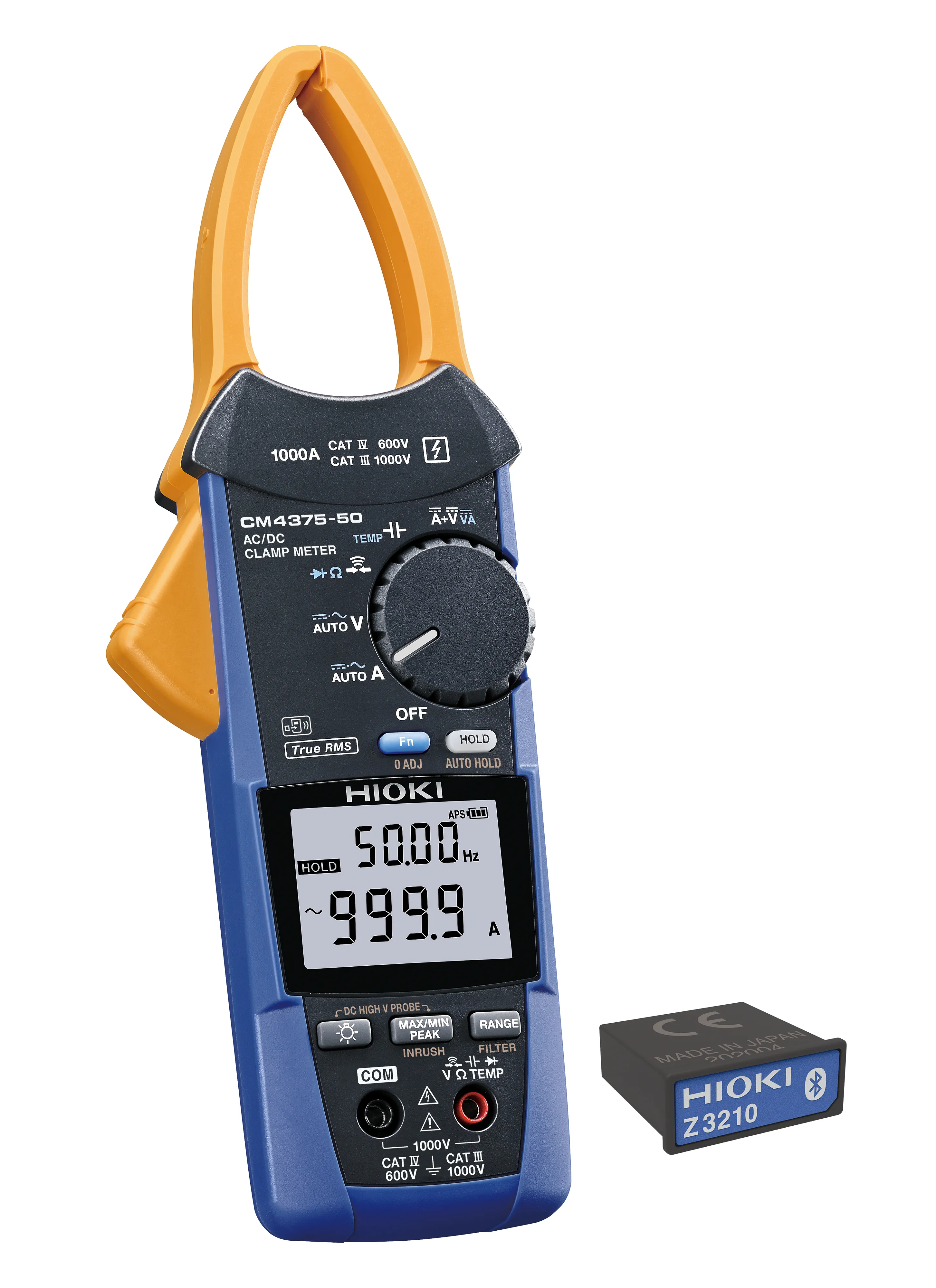
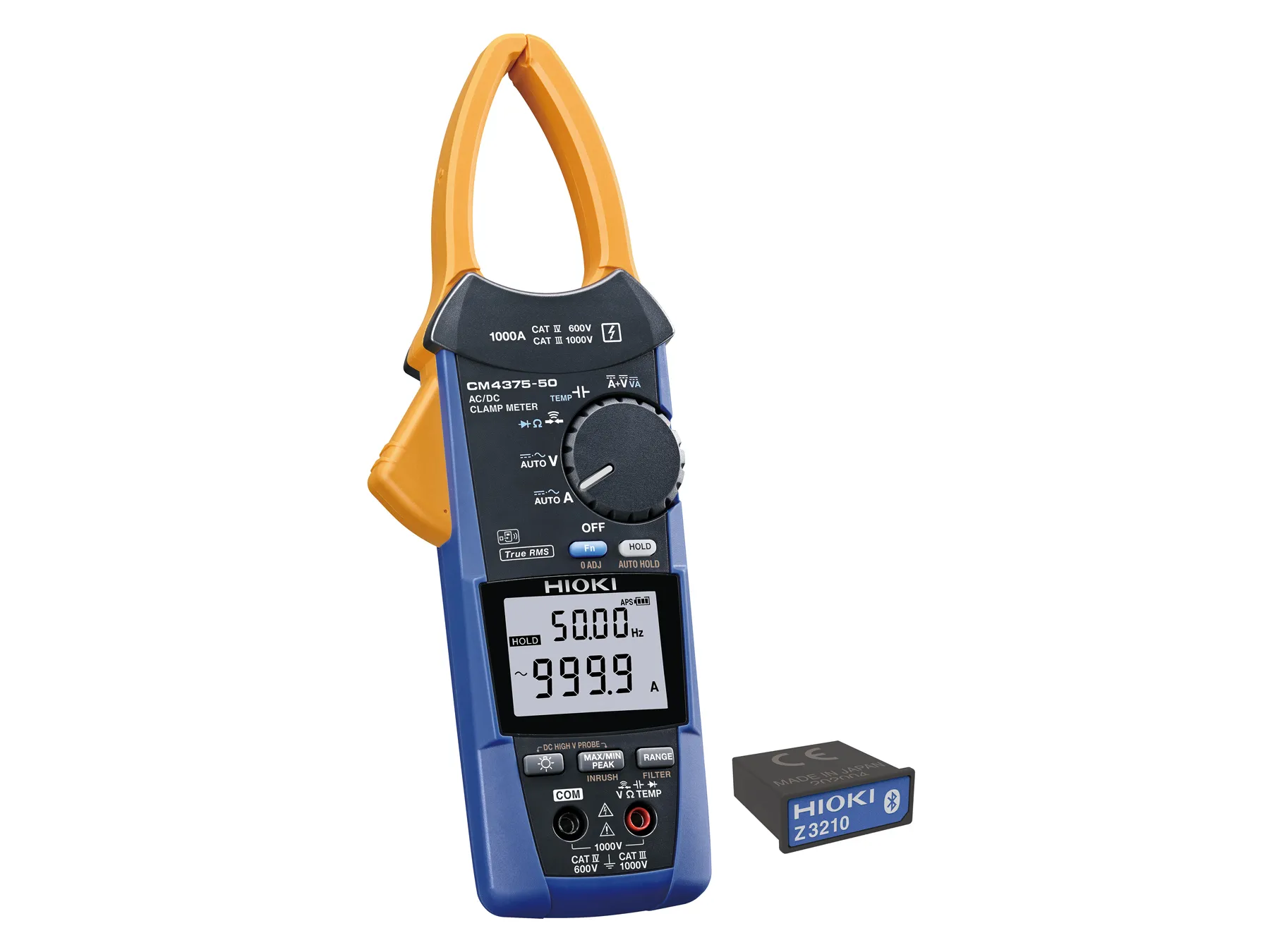
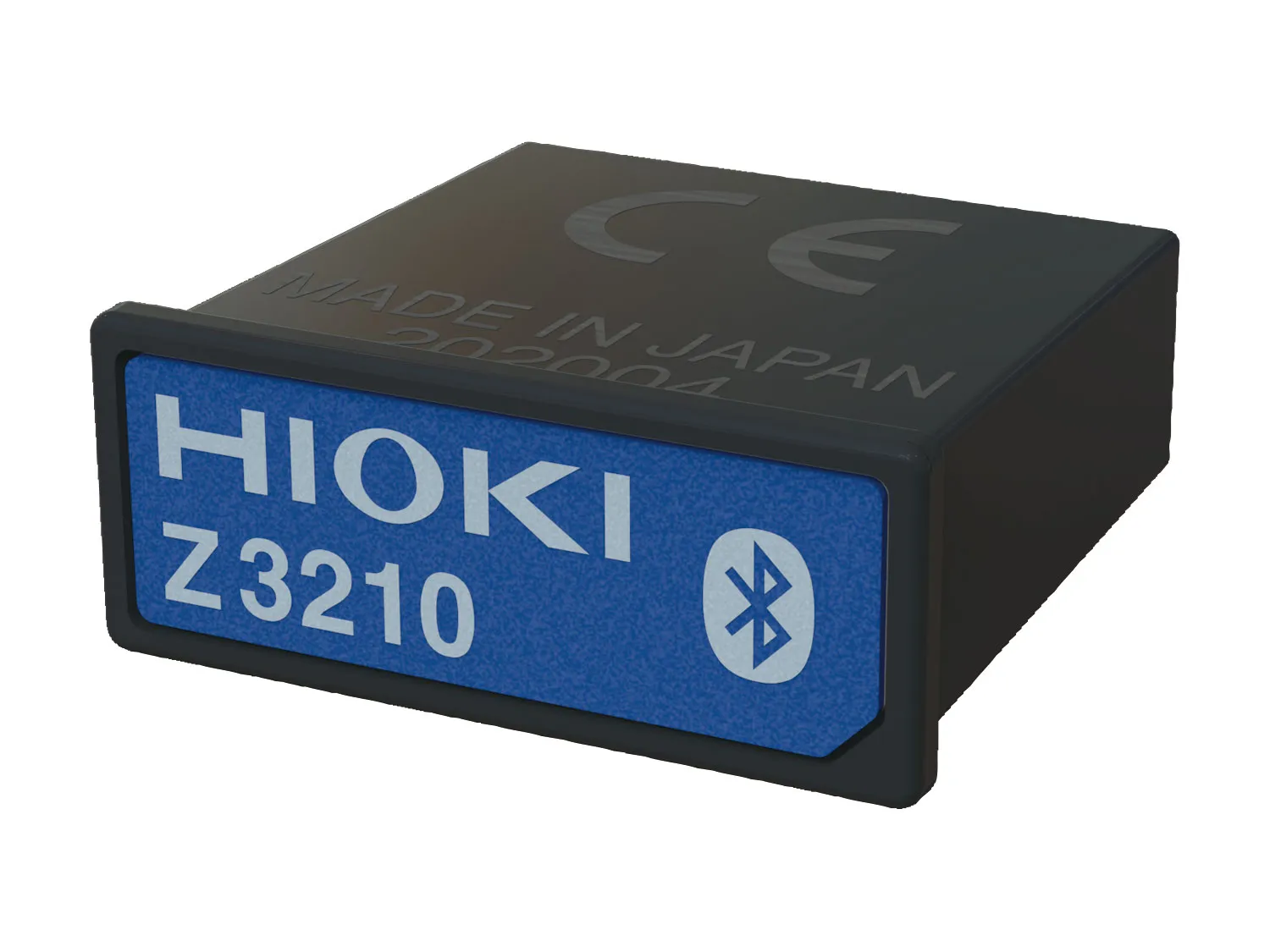
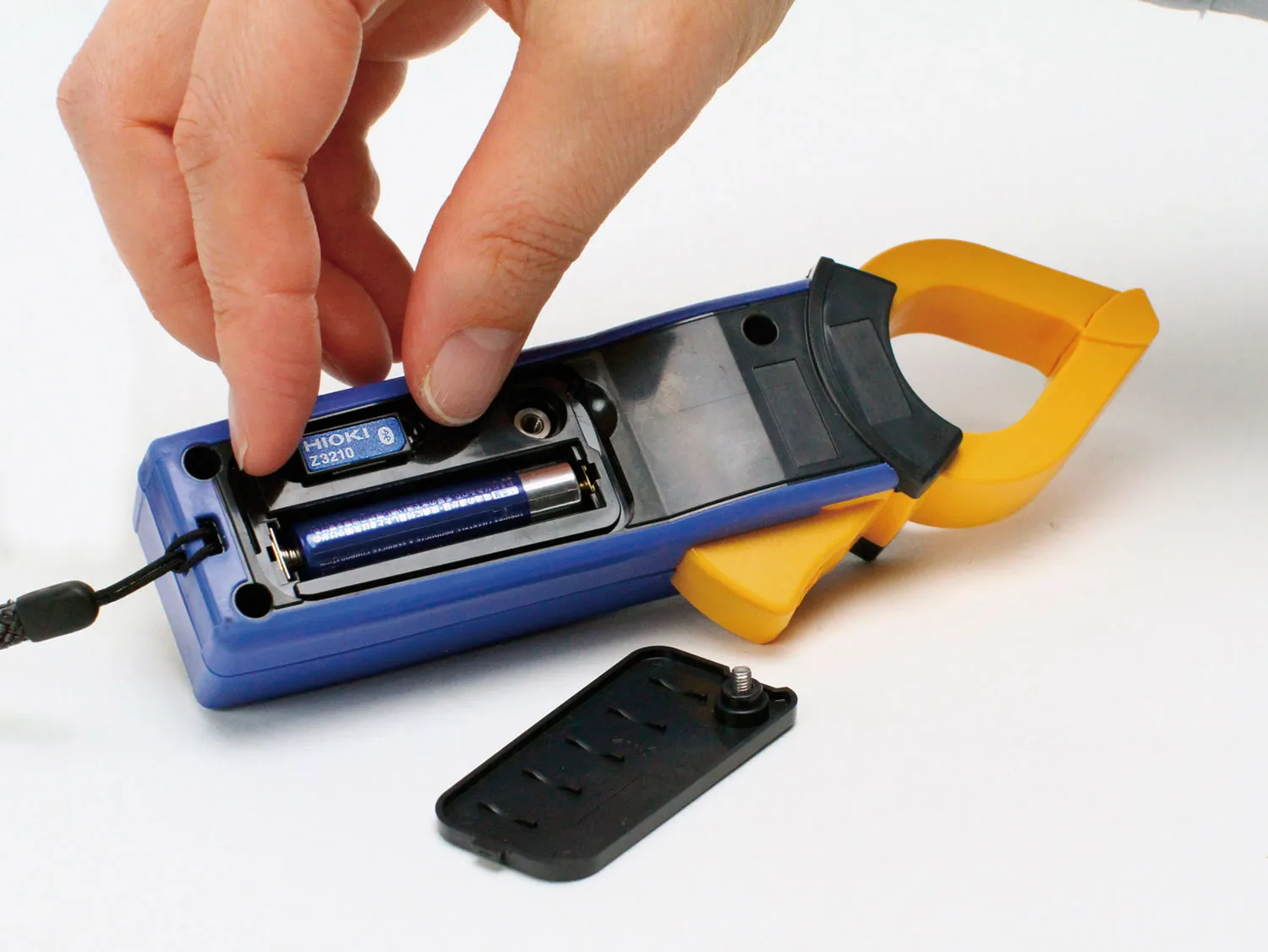
One thing which was certainly not on the cards in 1977 was the support of Bluetooth functionality which allows the clamp meter to communicate with a smartphone or tablet and to transmit live measurement data. Today, HIOKI's Z3210 Bluetooth transceiver can be added to an increasing range of measurement instruments, or it is already bundled with the instrument - for example as CM4375-90.
From Clamp Meters to Clamp-On Power Meters
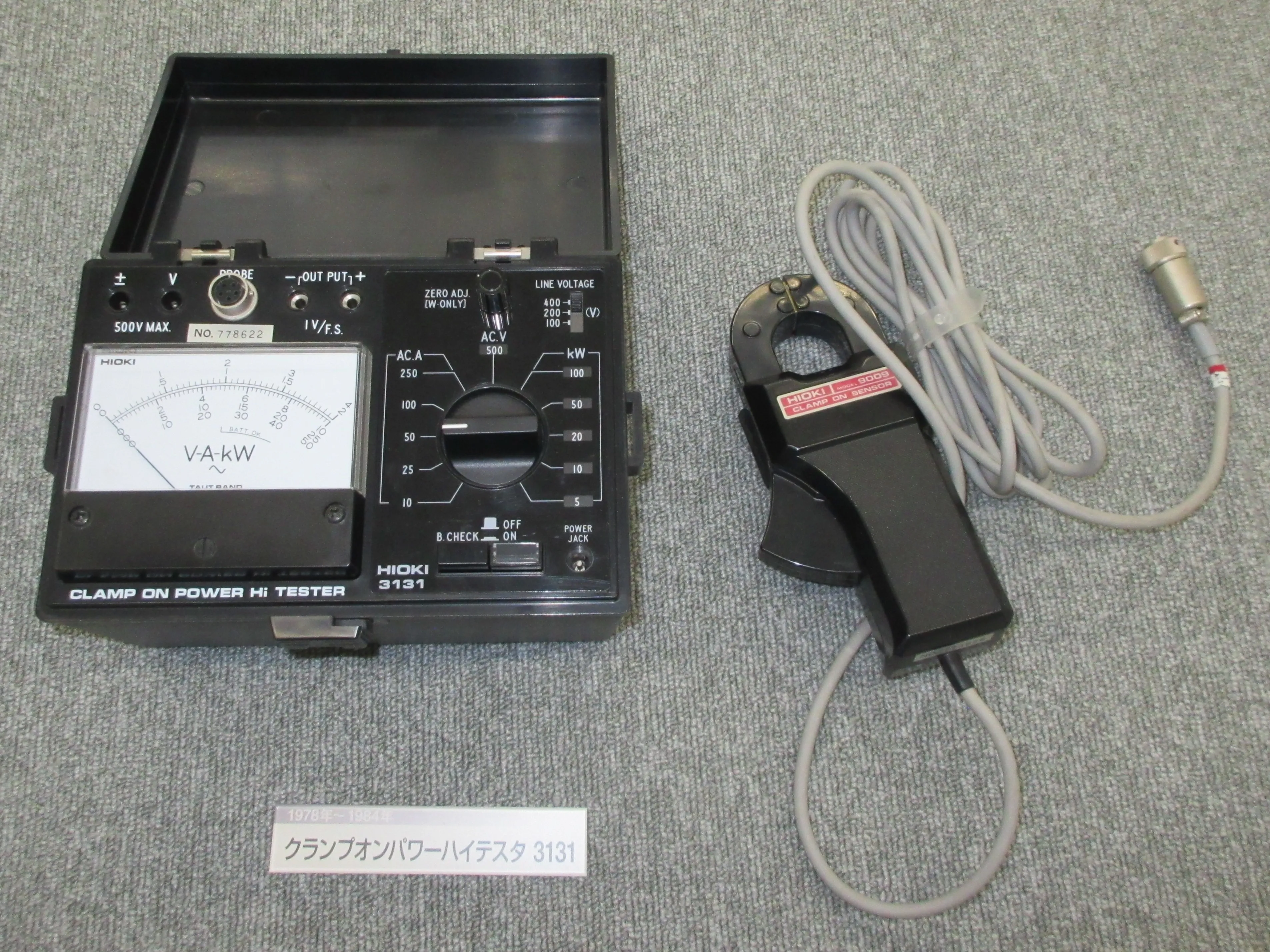
But of course clamp meters are not the only HIOKI current sensing devices. In 1978 HIOKI released six different types of power meters to be used with clamp-on current sensors. One of them was the portable 3131 clamp-on power tester.
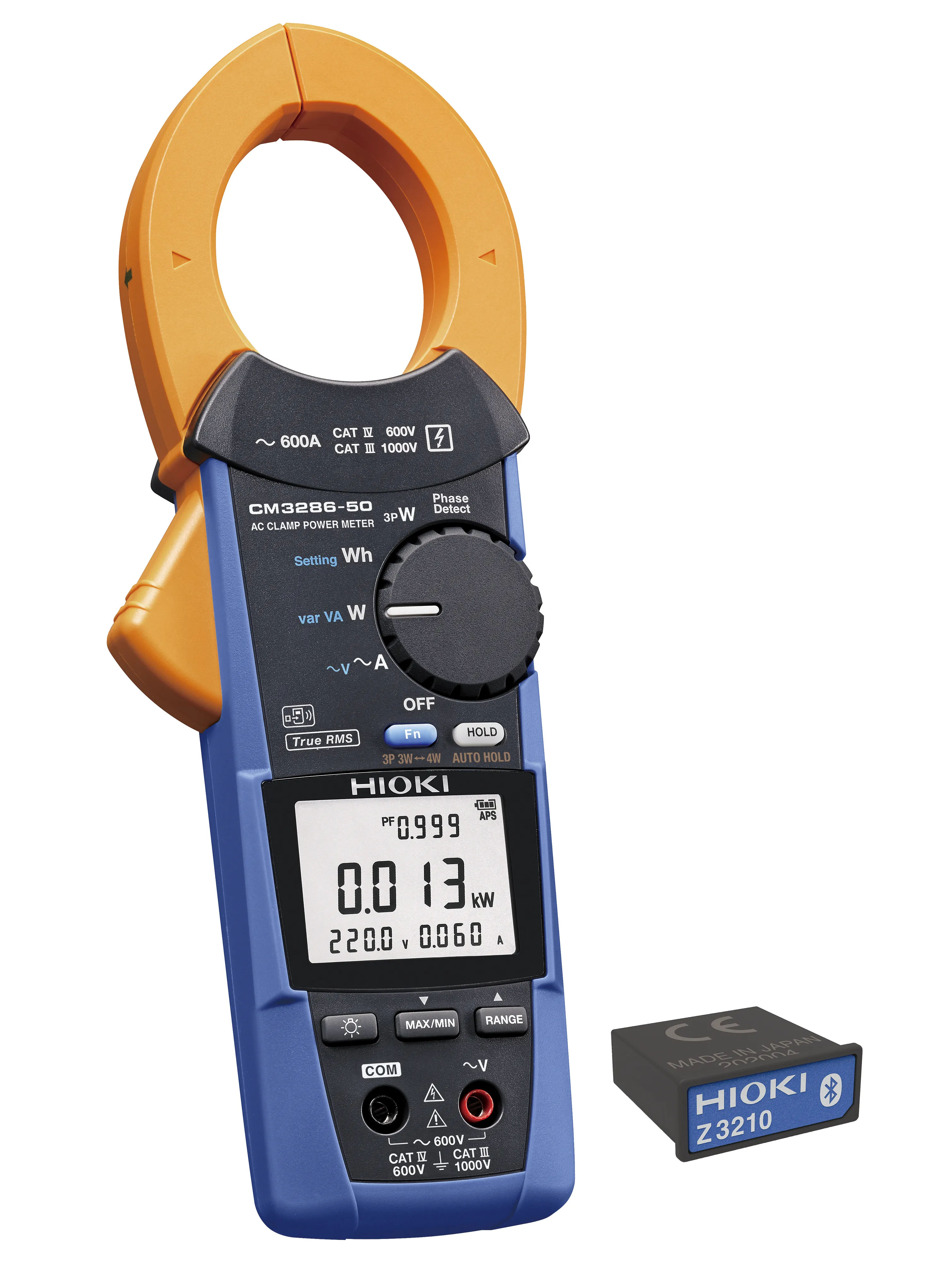
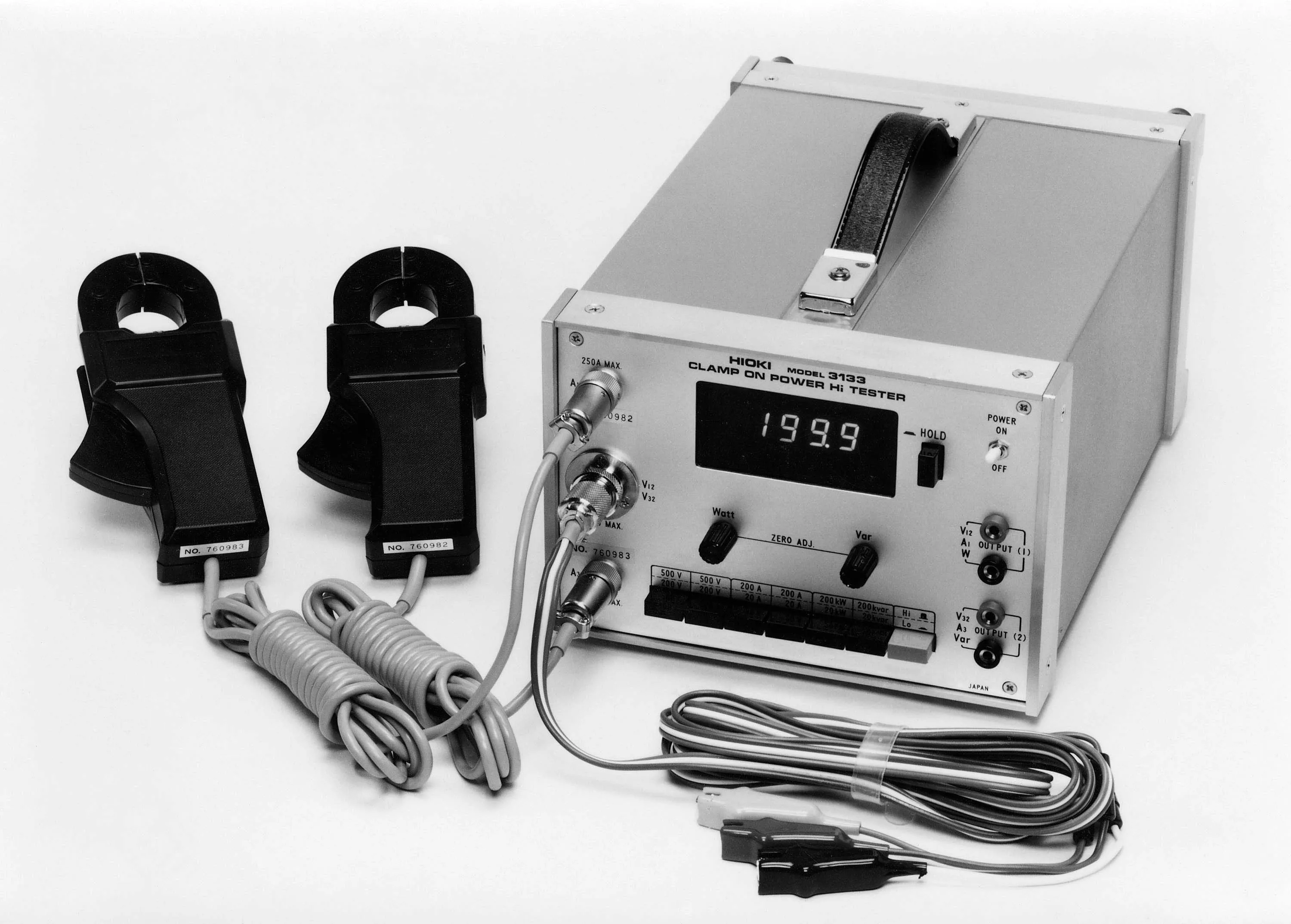
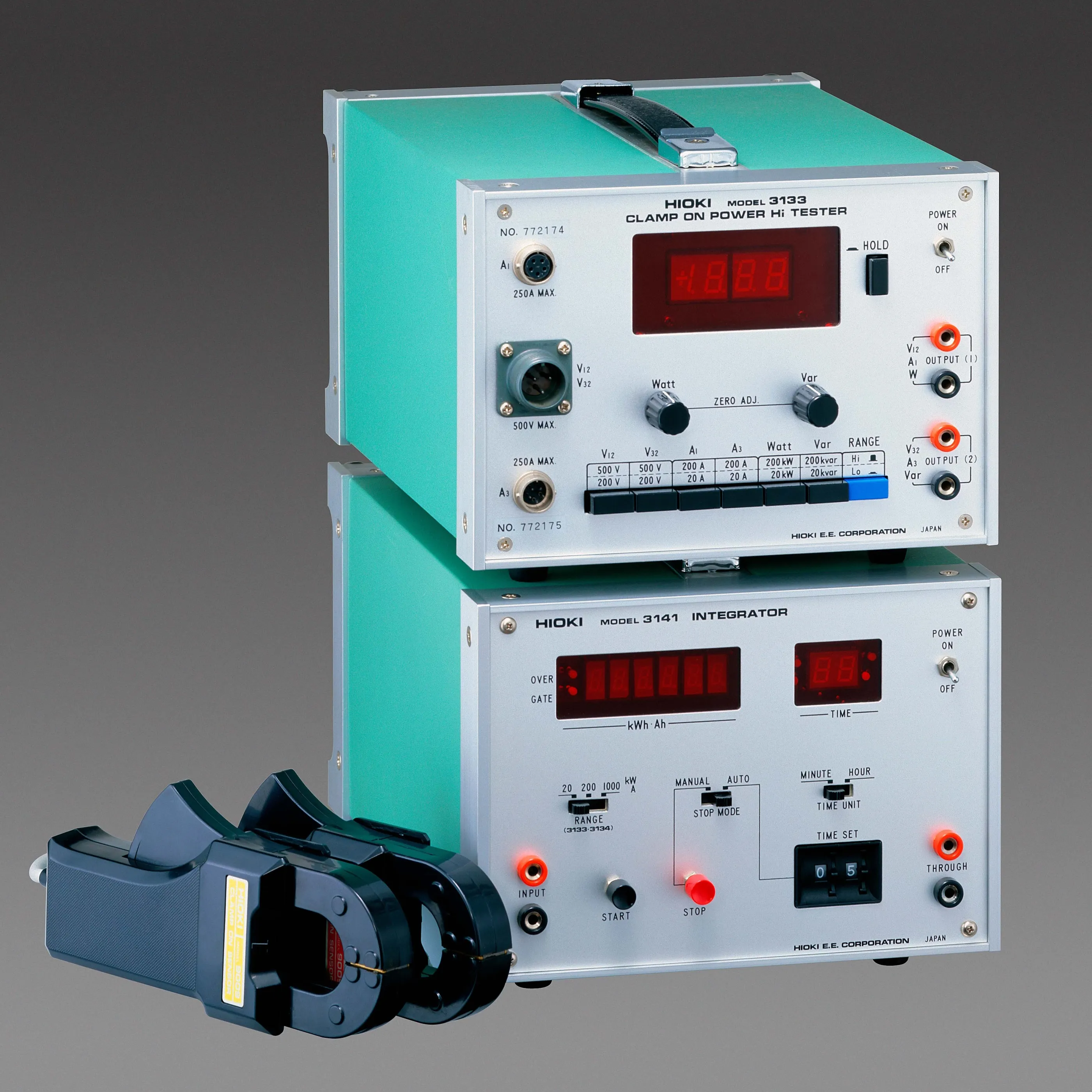
The Evolution of HIOKI Current Sensors for Power Measurement
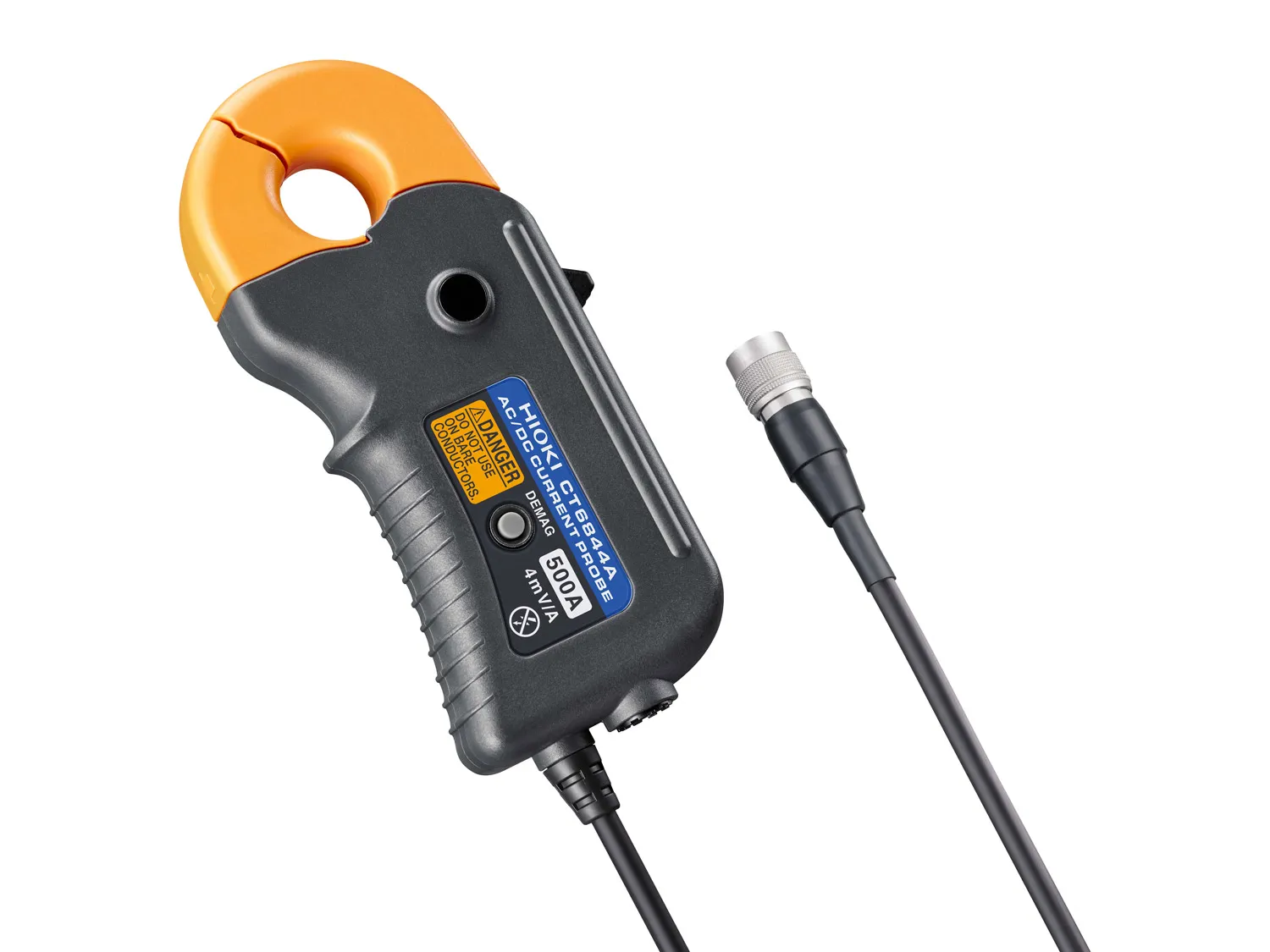
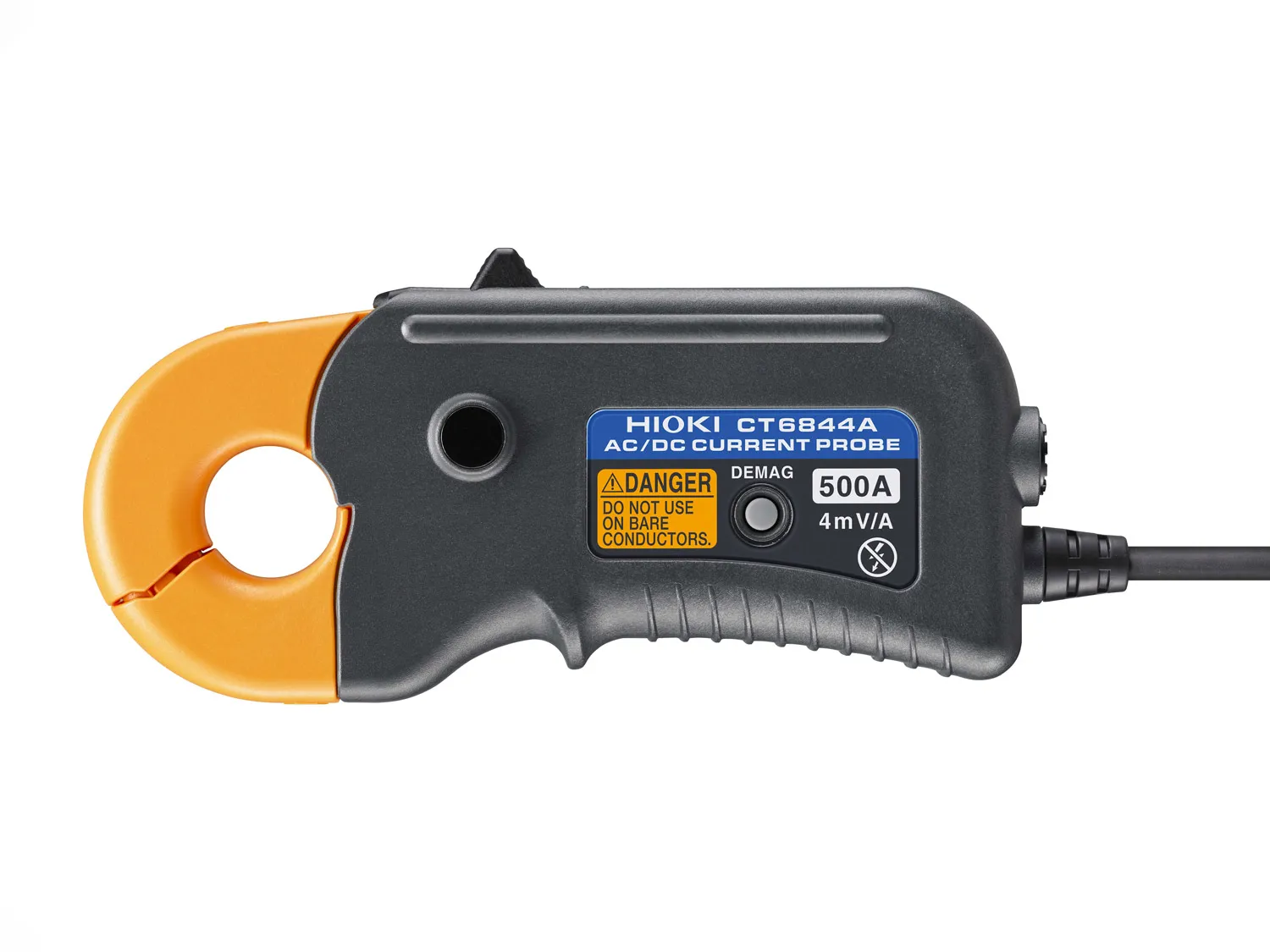
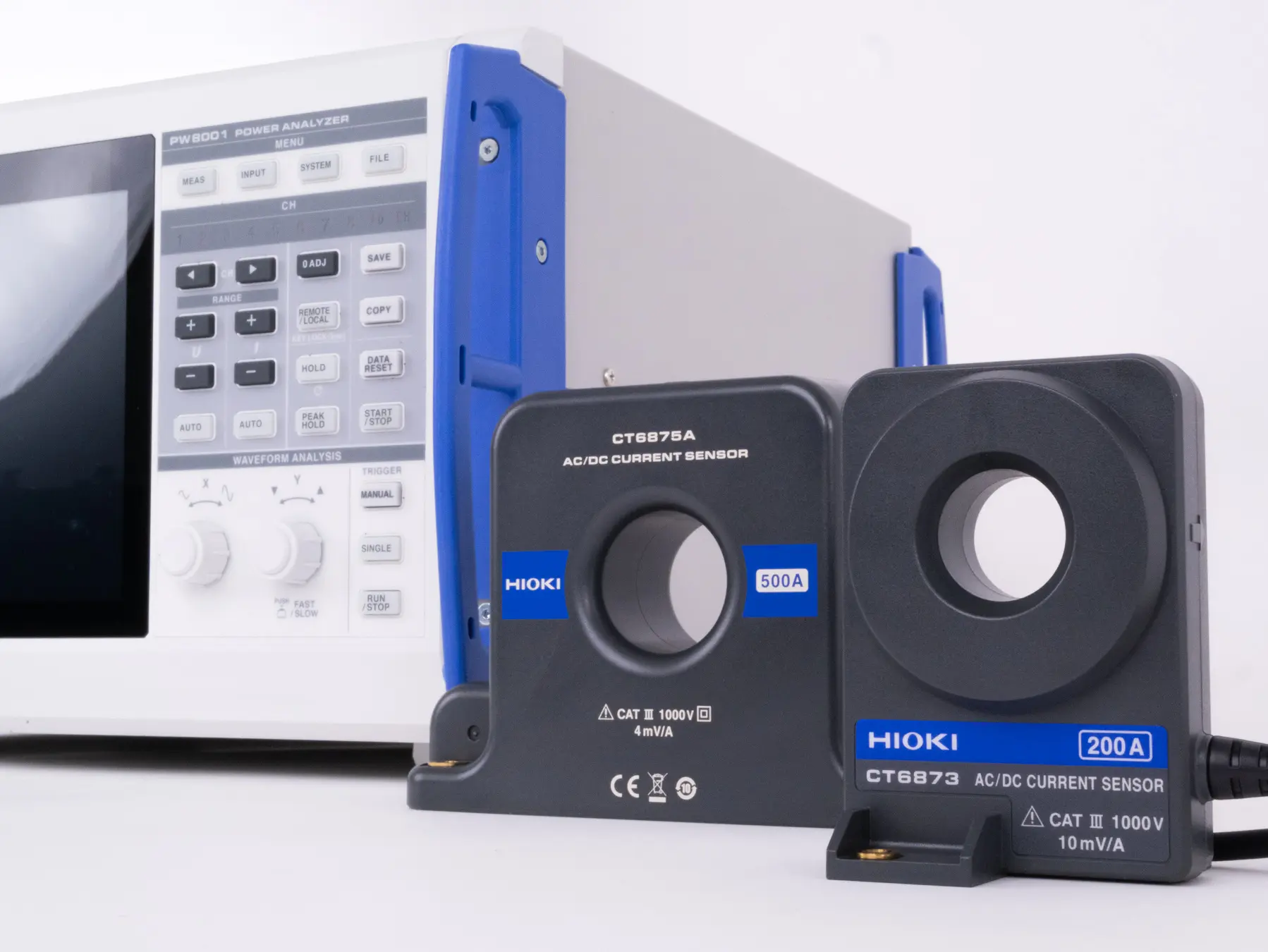
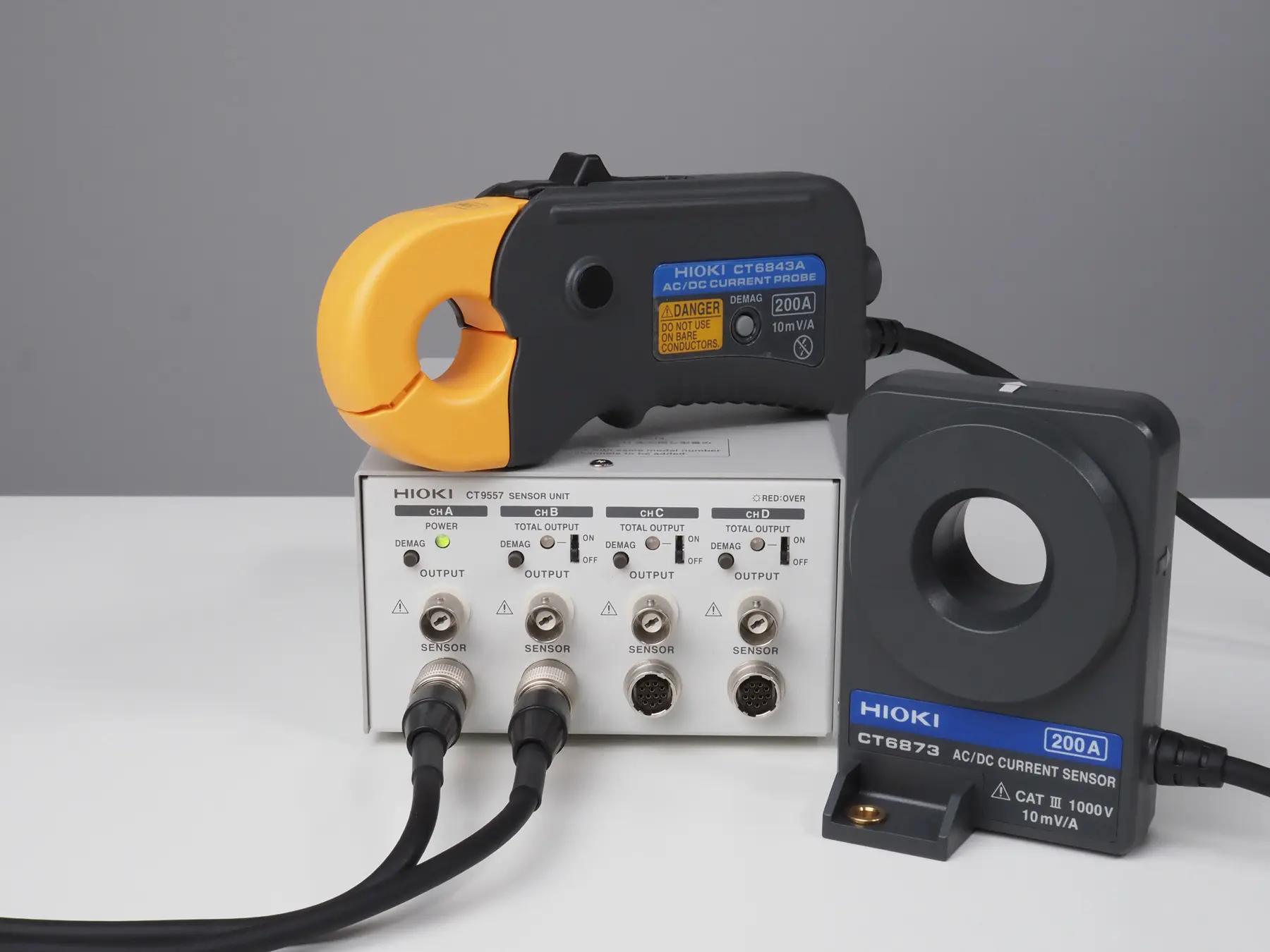
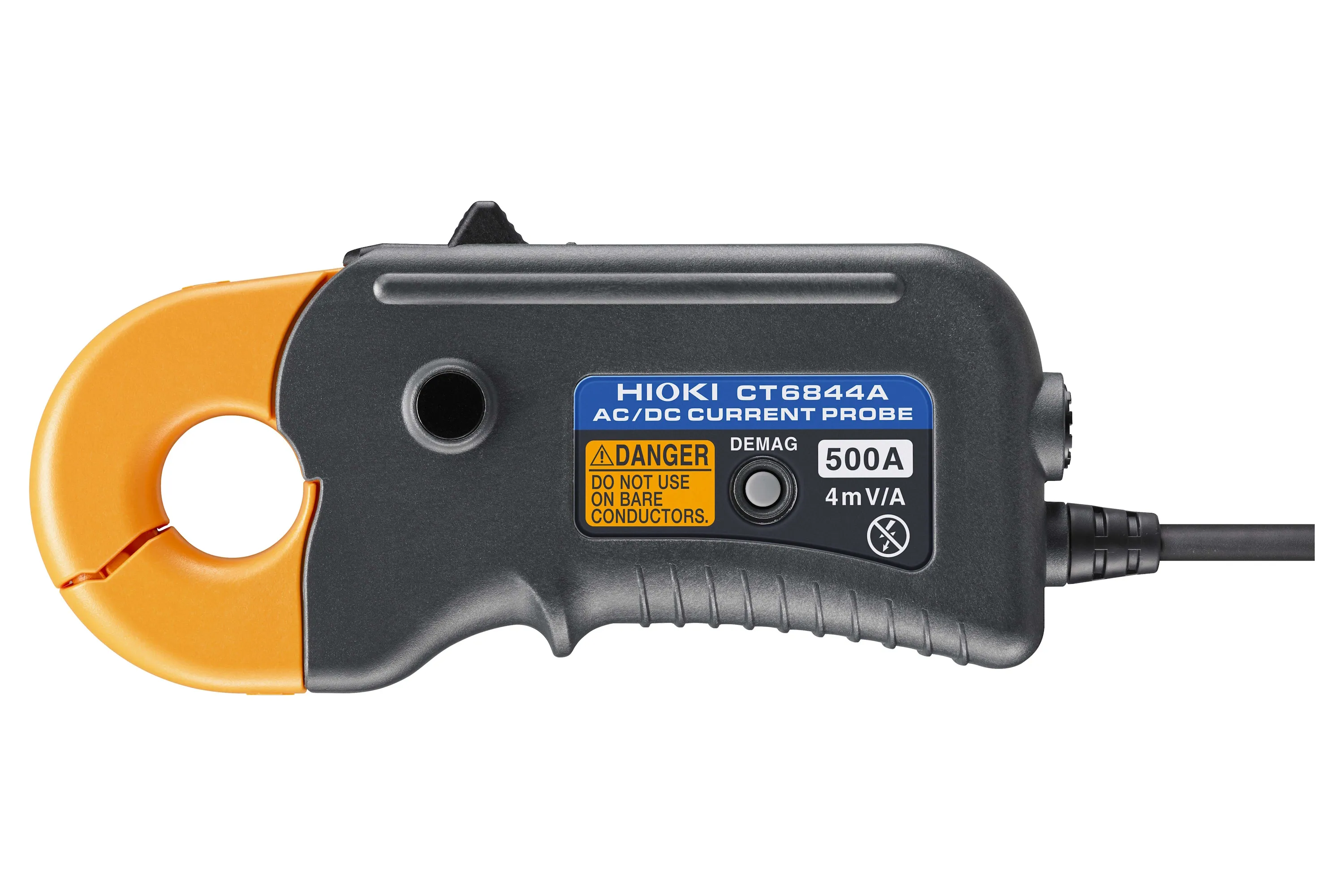
HIOKI's clamp-on sensors of today are AC/DC zero-flux clamp-on sensors using fluxgate technology like the CT6844A for currents of up to 500A.
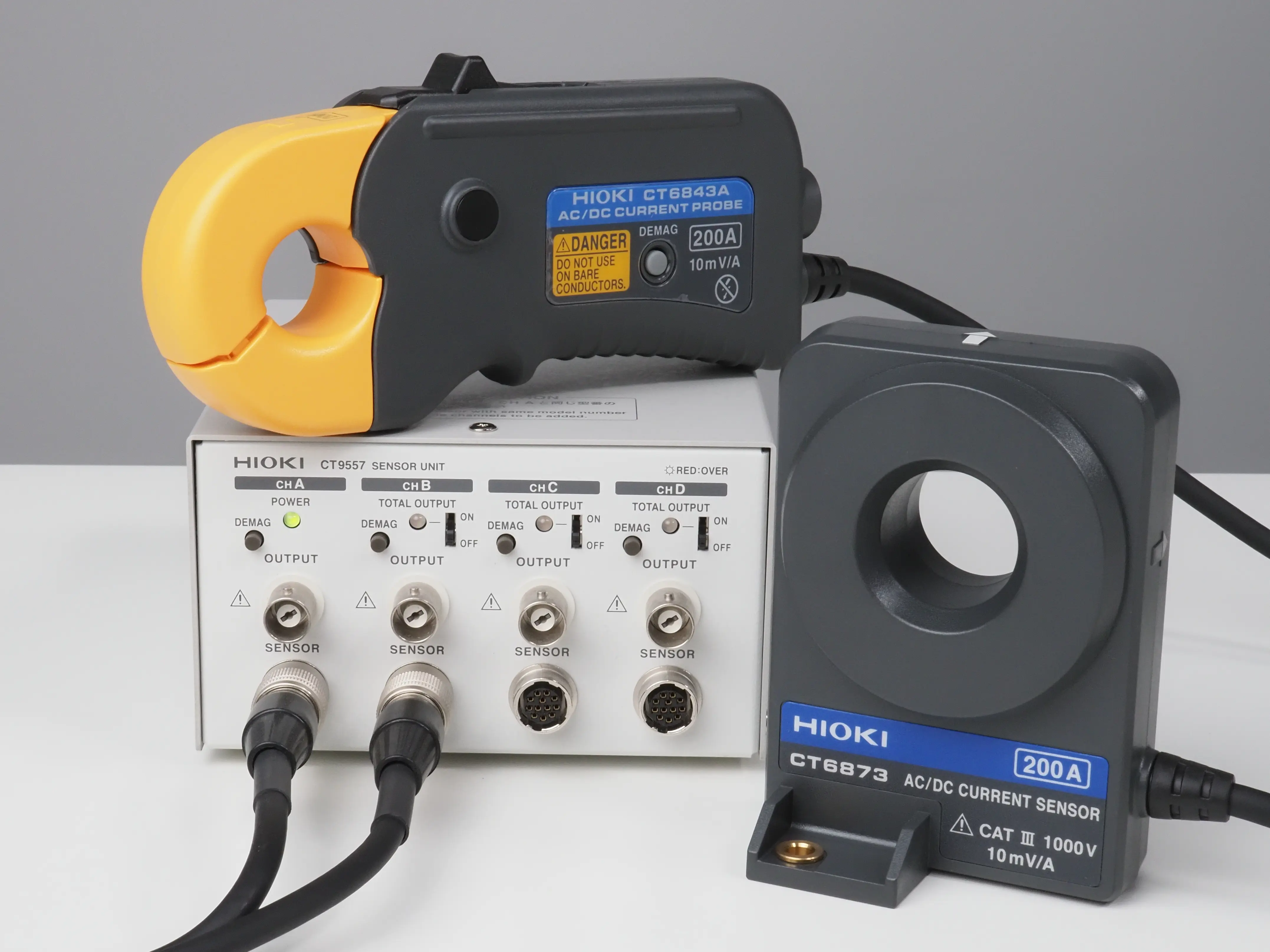
Wideband Current Probes for Oscilloscopes and Memory Recorders
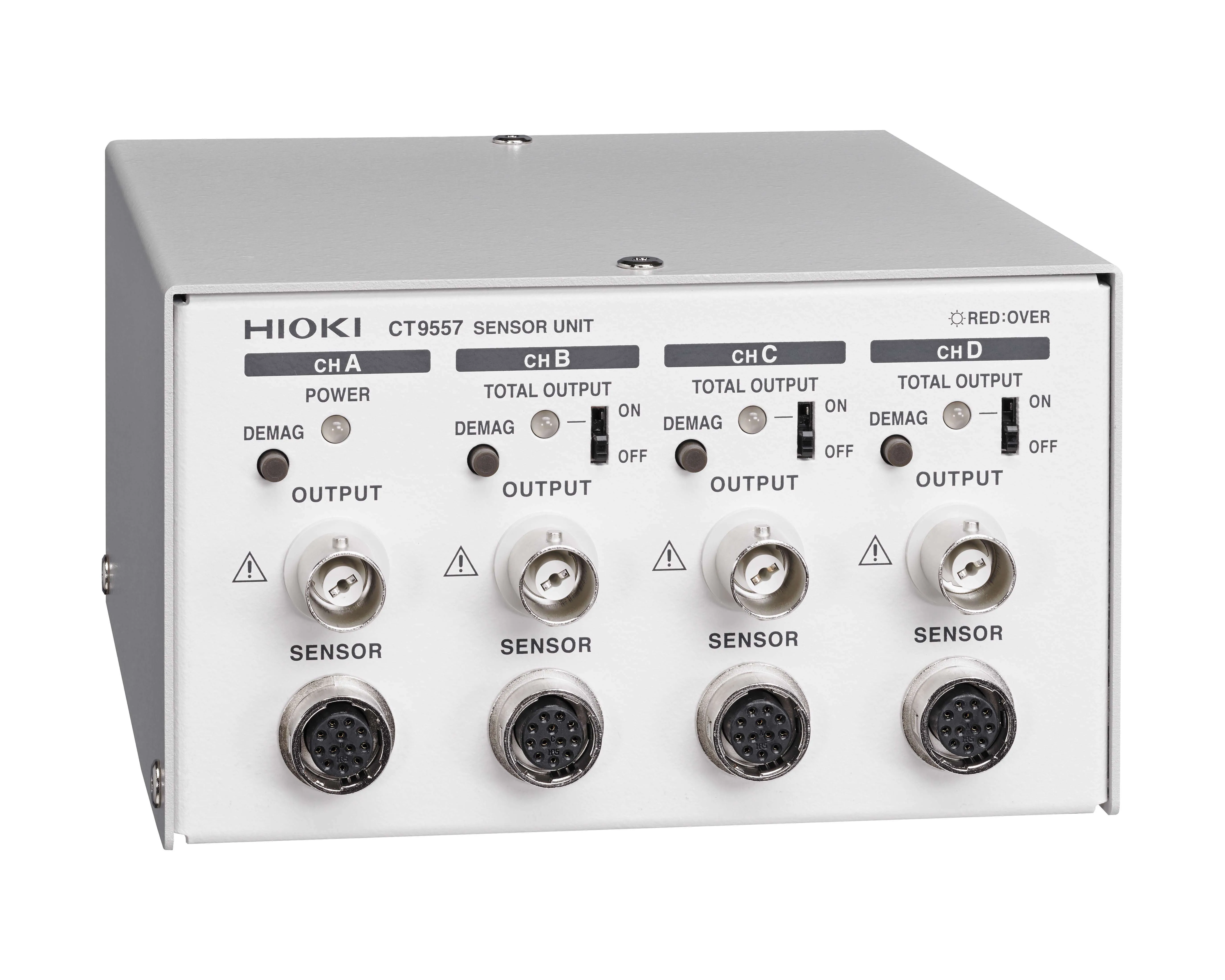
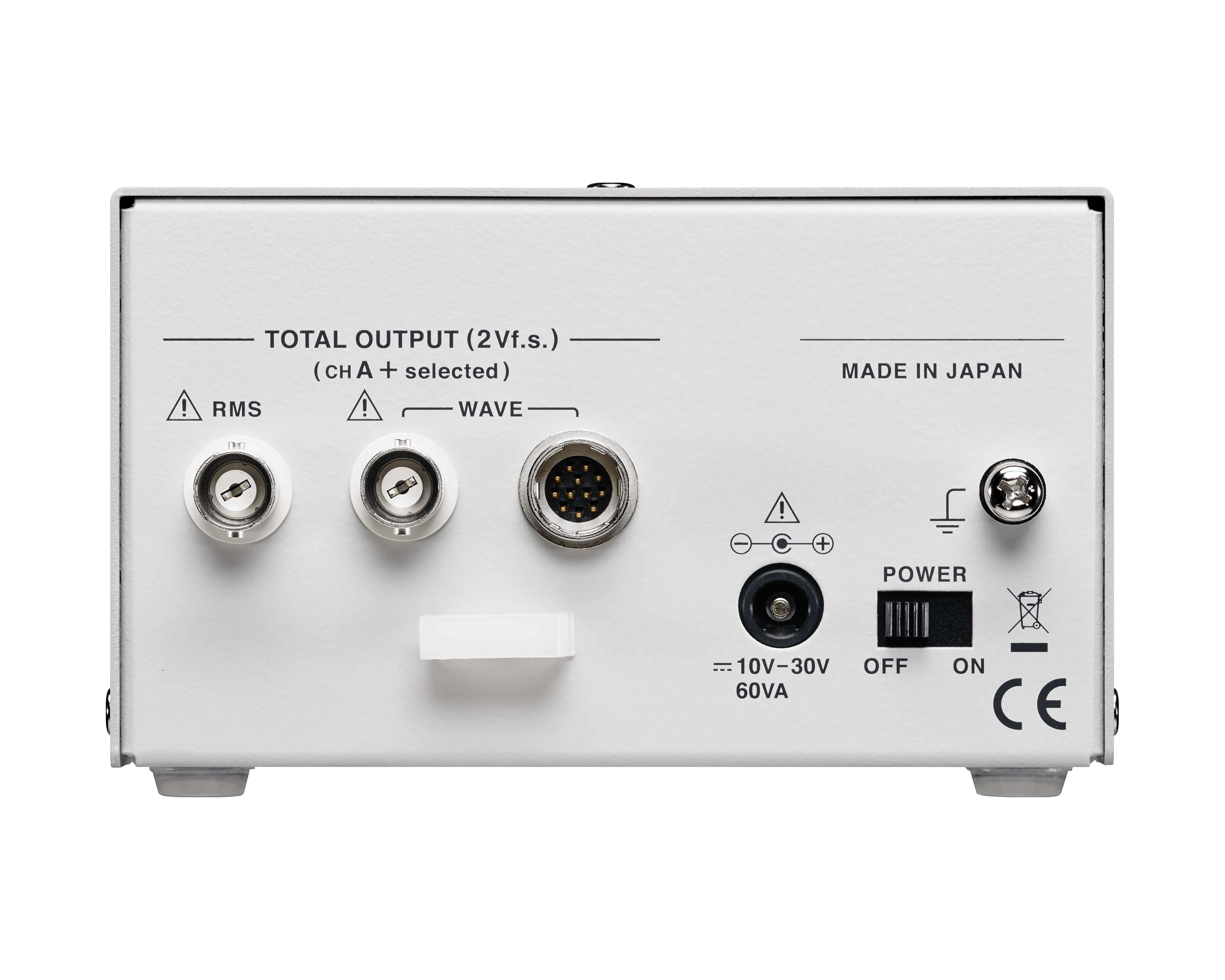
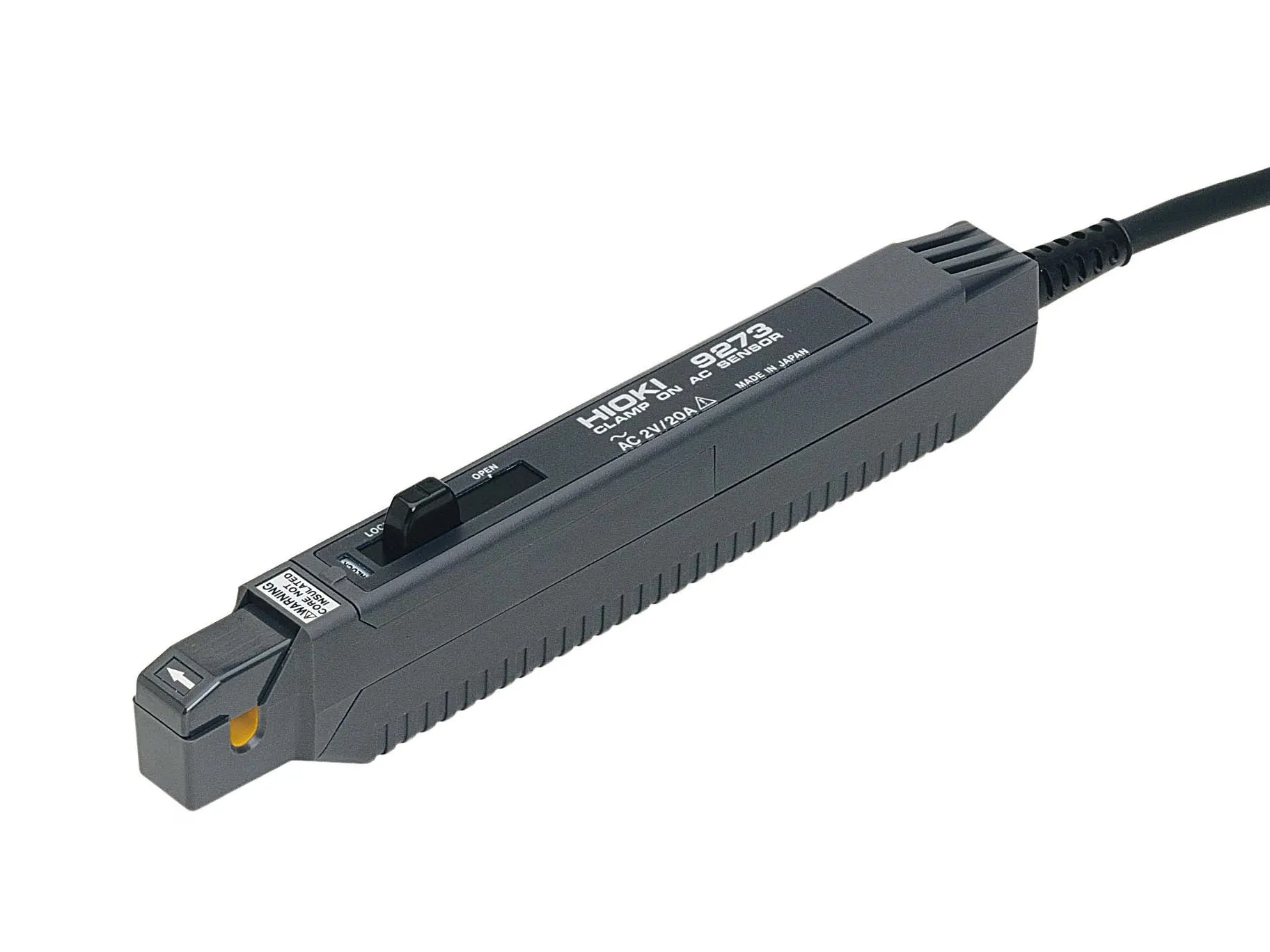
A sensor unit was also required with the 9273 AC current sensor that HIOKI introduced in 1993. It featured a bandwidth from 0.7Hz to 10MHz and a maximum input current of 20A.
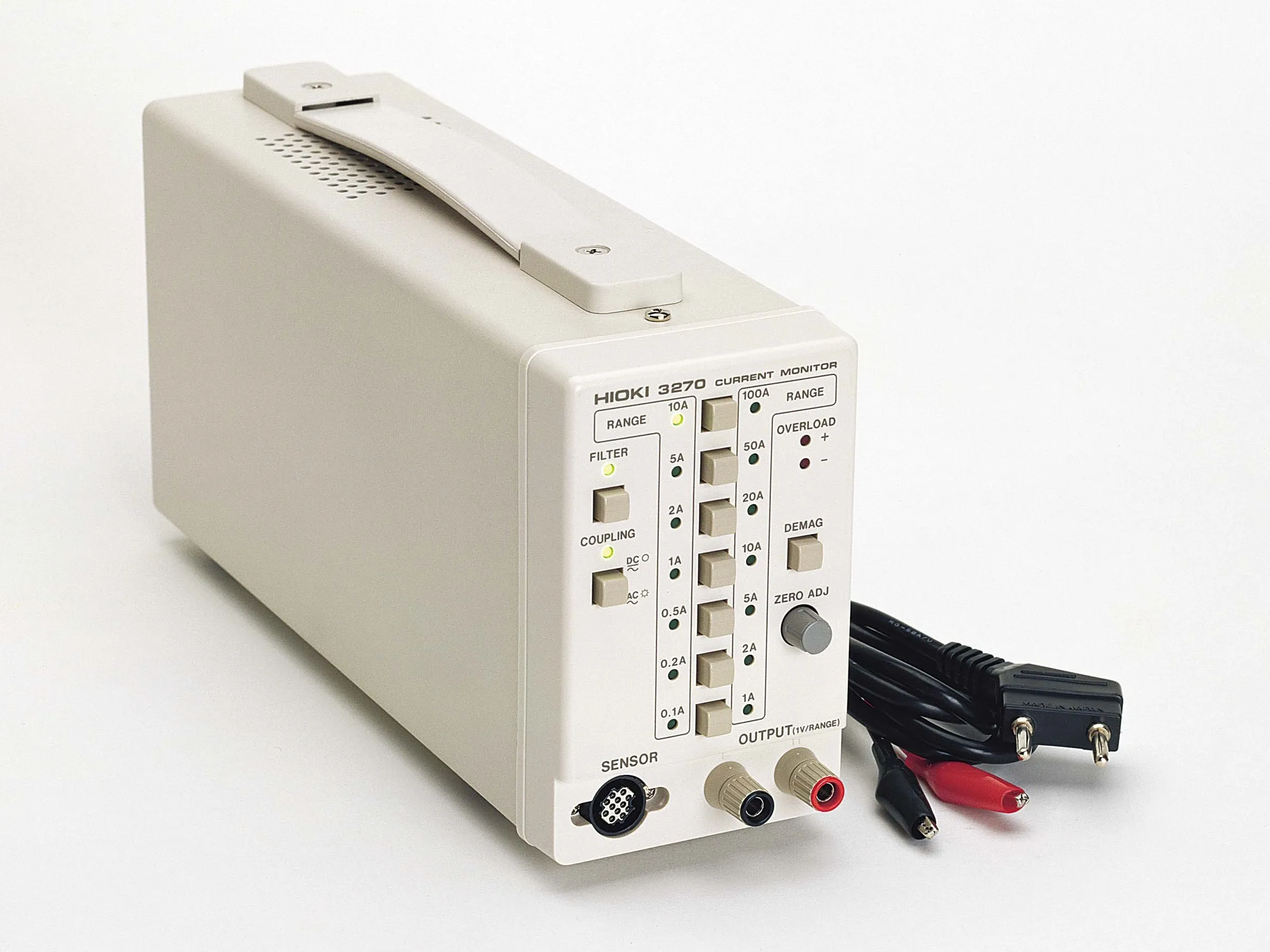
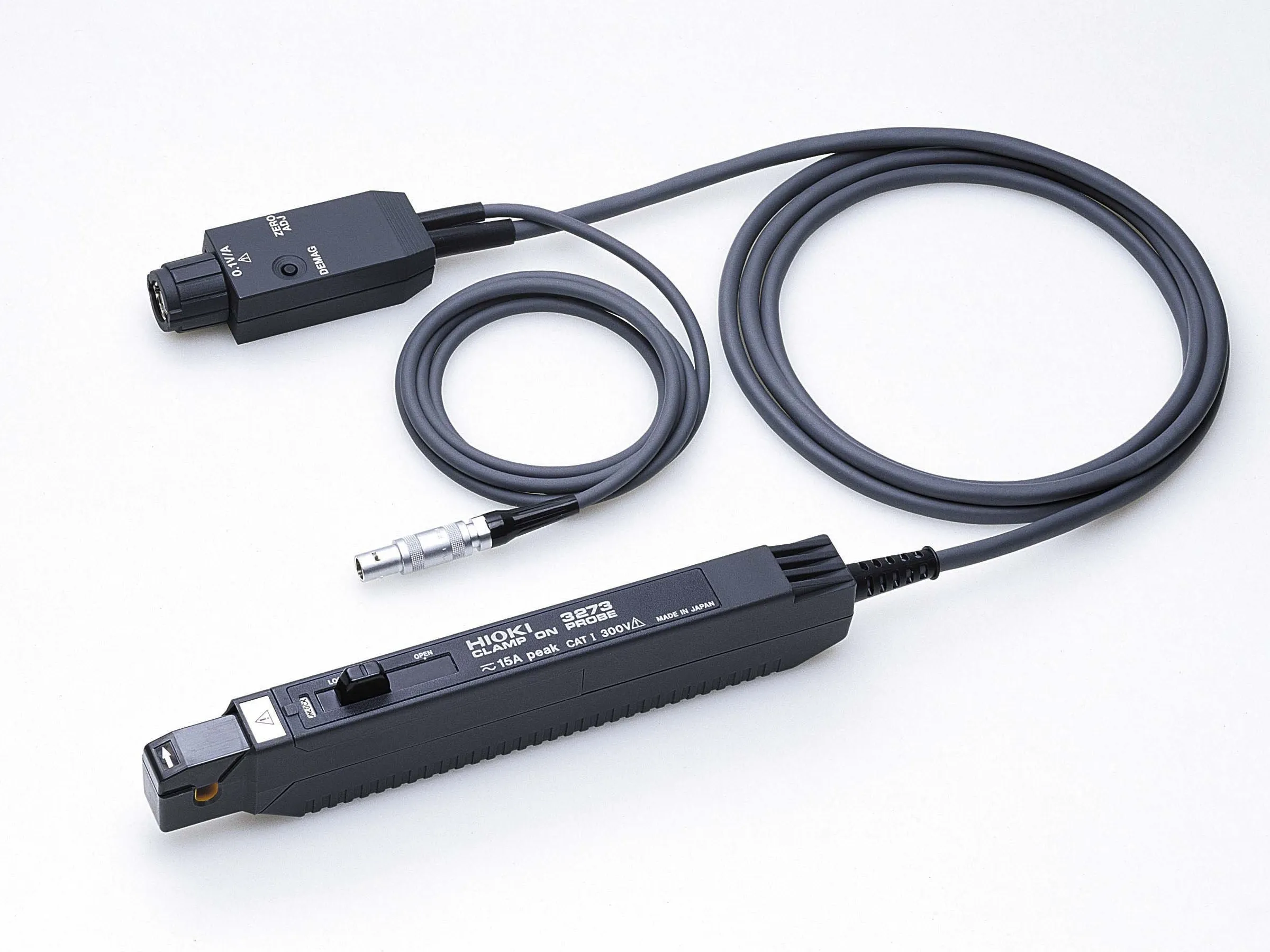
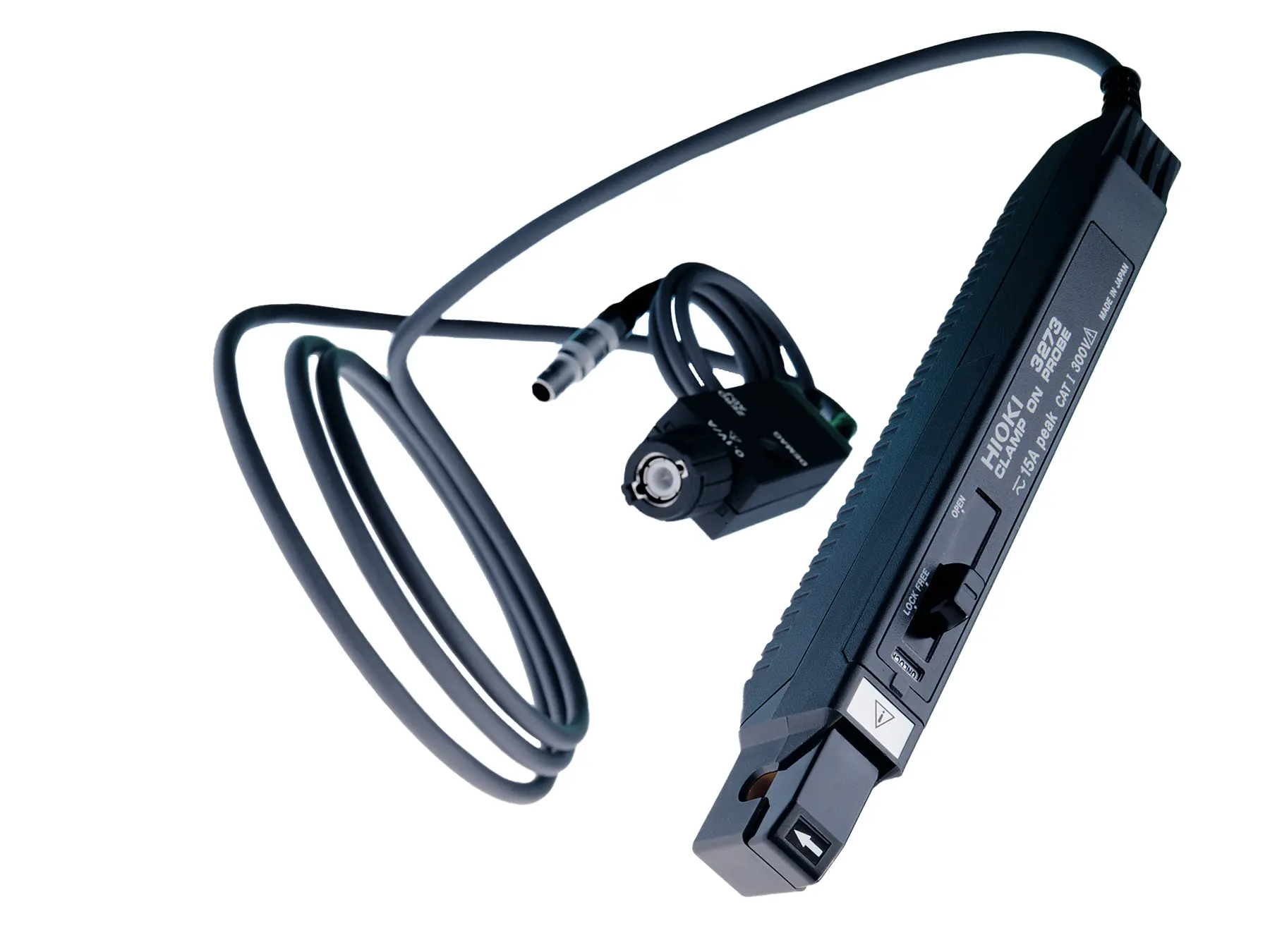
The 3273 current sensor was a wideband zero-flux current sensor using a hall element. The maximum input current was 15A (peak) and the bandwidth went from DC to 50MHz. The successor of this sensor is called 3273-50 and with it's improved maximum input current of 30A it is still available today.
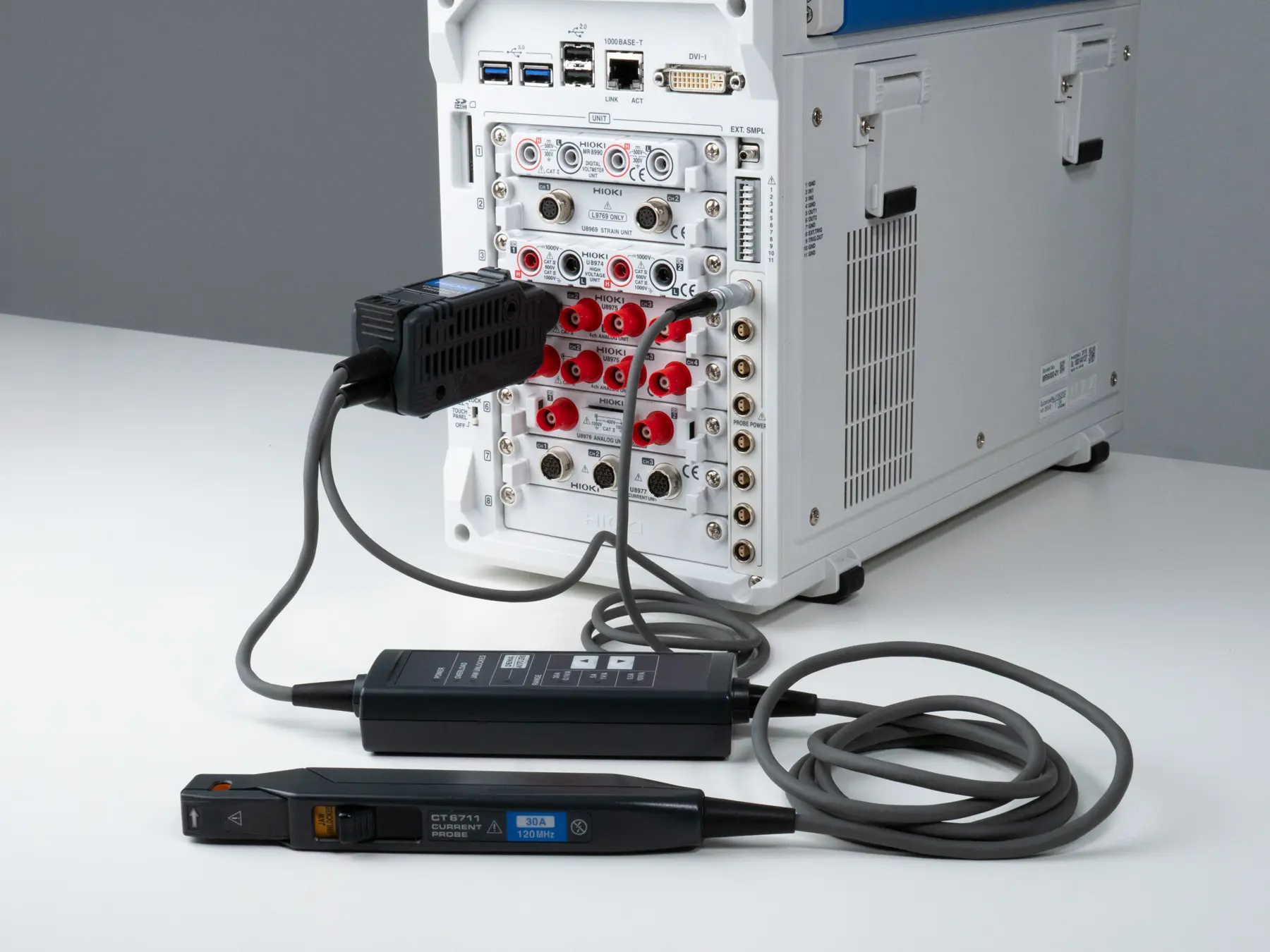
Of course, HIOKI didn’t stop there and over the years introduced a wide variety of wideband current probes for use with oscilloscopes of all brands as well as HIOKI’s own memory recorders. A good example is the CT6711, a multi-range wideband current probe with a bandwidth from DC to 120 MHz and three selectable current ranges of 500 mA, 5 A and 30 A. This allows currents from as low as 200 µA up to 30 A to be captured with a single probe. The 500 mA range is particularly useful when analyzing low-current signals, standby behavior or auxiliary supply lines with an oscilloscope, while the larger ranges still allow much higher currents to be captured with the same probe.

From Individual Current Probes to Multi-Channel Measurement Solutions
Whether it is a handheld clamp meter, a high-precision zero-flux current sensor or a wideband current probe for oscilloscope-based analysis, HIOKI’s current sensing portfolio has continuously evolved over the decades. But today, current sensing is no longer just about measuring a single signal with high accuracy.
HIOKI also offers solutions for multi-channel current measurement in DAQ systems, for example when many currents have to be captured in parallel for current mapping applications. One example is described in our article on current mapping and energy efficiency, where modular data loggers and current sensors are used to visualize current consumption across multiple paths in parallel.
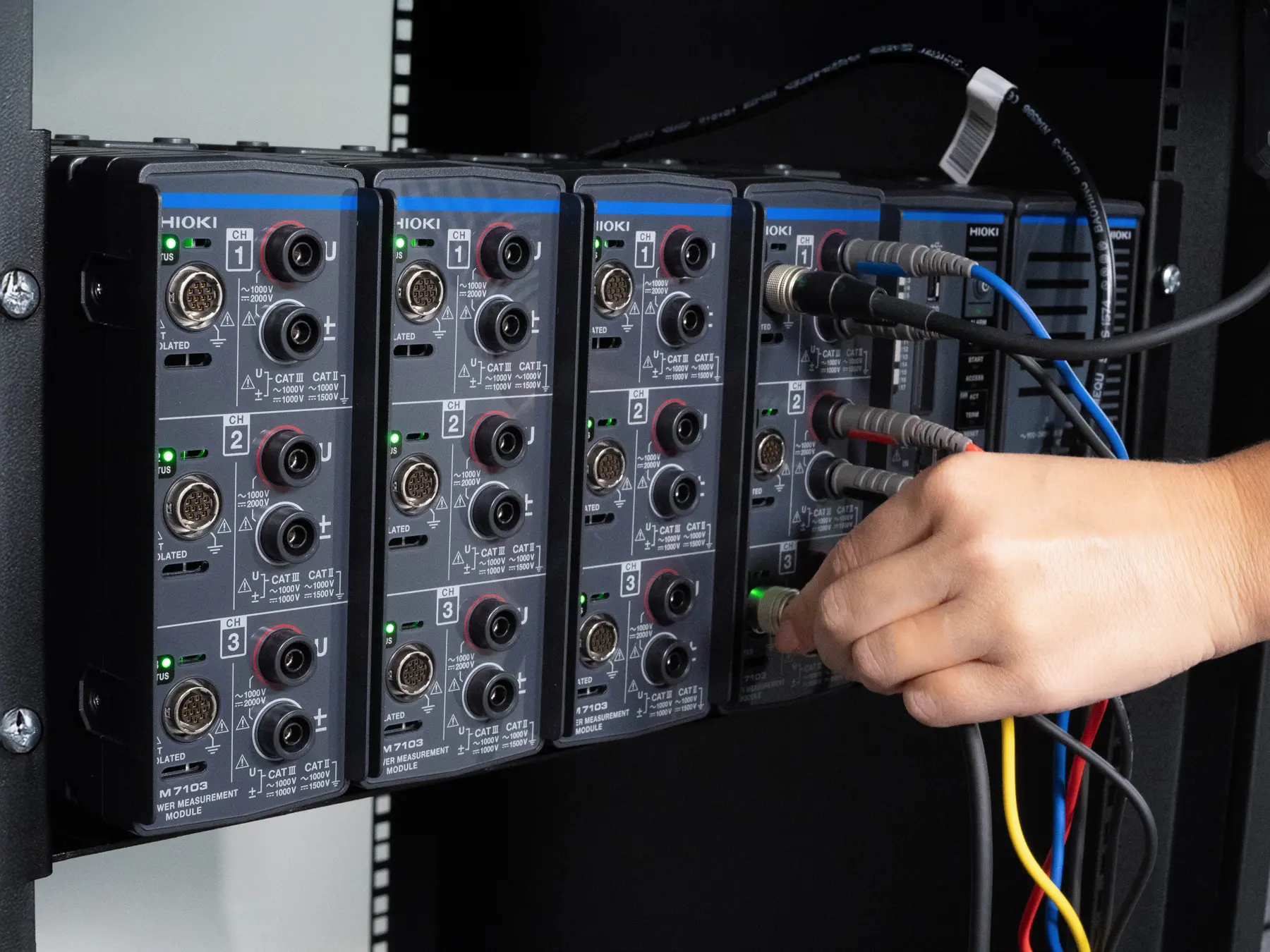
For demanding power analysis tasks, HIOKI also offers modular faceless DAQ systems for parallel power measurement. With suitable power measurement modules and current sensors, these systems can provide a high number of power channels for the analysis of complex electrical systems. As electrical systems become more complex, HIOKI’s story of current sensing continues, from individual sensors to integrated measurement solutions.